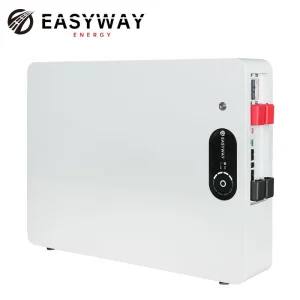
Decentralized off-grid power solution optimized for eco-vape charging stations in Mali's dry climate.

Clean-label, high-purity natural flavor concentrates designed for premium regional vape blends.

Ultra-dense PG/VG botanical formulation reducing shipping mass and localized supply footprint.
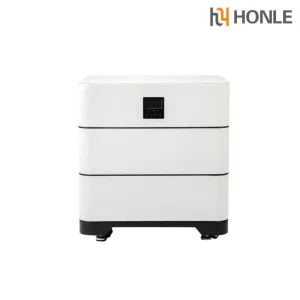
Smart home and commercial energy banks to power sustainable regional vape micro-fulfillment operations.
The electronic vaporization sector in Mali stands at a critical juncture. As urban centers like Bamako experience rapid commercial evolution, the demand for harm-reduction nicotine and herbal delivery systems has scaled exponentially. However, traditional disposable vaporizers contribute heavily to municipal waste and environmental pollution due to non-biodegradable casings and unmanaged battery disposal. This whitepaper details the paradigm shift toward Eco-Friendly Vape Practices in Mali, exploring the technological pathways, industrial collaborations, and localization frameworks necessary to establish a sustainable e-vapor framework.
By leveraging Chinese manufacturing innovation—exemplified by Shenzhen Leaf Vape Co., Ltd.—and deploying off-grid, low-carbon charging infrastructure, West African distributors can significantly reduce their Scope 3 emissions. Transitioning to smart, postless, rechargeable platforms ensures compliance with the evolving environmental mandates of the Economic Community of West African States (ECOWAS) and Mali's domestic green energy transition strategies.
"Mali's unique combination of high solar irradiance and urban grid limitations creates an urgent need for localized, solar-integrated vapor architectures. Low-power, rechargeable systems coupled with high-efficiency LiFePO4 storage batteries present a major growth avenue for distributors."
The Malian retail and wholesale vape market is rapidly adopting clean technologies. Driven by consumer awareness and local environmental initiatives managed by the Direction Nationale de l'Assainissement et du Contrôle des Pollutions et des Nuisances (DNACPN), importers are shifting focus. Traditional disposable units, which create heavy metal and plastic waste, are being replaced by modular, rechargeable vape solutions. Key nodes in Mali’s logistics pipeline—such as Dakar-Bamako rail corridors and internal truck transit networks—now heavily prioritize robust, high-shelf-life hardware optimized for high ambient temperatures and dry conditions.
This dynamic shifts the competitive advantage toward factories and suppliers that offer dual solutions: premium rechargeable hardware and localized logistics support. Additionally, agricultural and mineral sectors in Mali are exploring bio-based plastic alternatives and local waste recovery protocols, creating opportunities for closed-loop partnerships between Chinese manufacturers and Malian distributors.
To establish long-term ecological balance, the industry must follow a structured technical roadmap focused on material science, thermal efficiency, and battery safety.
Replacing traditional petro-based plastics with bio-degradable PCTG (polyethylene terephthalate glycol) and PLA (polylactic acid) chassis. Engineering modular shells that allow end-users to easily separate battery cells from chemical liquid cartridges, facilitating safe disposal.
Transitioning from metal rods and cotton wicks to smart postless ceramic cores. Eliminating post structures increases the effective heating surface, reduces dry-hits, minimizes organic toxic emissions, and lowers the risk of e-liquid leaking into local soil systems.
Pairing high-capacity rechargeable hardware with LiFePO4 (Lithium Iron Phosphate) solar-powered storage systems. This offsets grid instability in remote regions of Mali, ensuring consumers charge devices using clean energy.
Global sustainable vaping requires more than individual hardware updates; it demands a macro ecosystem approach. This involves integrating clean manufacturing, green formulations, and circular logistics systems.
Deploying dedicated waste receptacles at Malian retail locations. Used batteries and pods are consolidated and routed back to specialized processing units, preventing heavy metal contamination in urban ecosystems.
Developing PG/VG bases from organically sourced agricultural inputs. Using zero-pesticide botanical extractions and natural flavor profiles to keep agricultural output free of toxic chemical residue.
Optimizing packaging volume and density to reduce shipping weights. This significantly lowers fuel consumption and carbon footprint during maritime shipping and overland transport to West African markets.
Shenzhen Leaf Vape Co., Ltd. is a leading innovator in the vaping industry, specializing in smart postless vape devices designed for modern consumers seeking convenience, performance, and style. Founded in Shenzhen, China, the company has quickly established a reputation for high-quality disposable and rechargeable vape solutions under its flagship brand, StrainX Vape – Leaf. By integrating cutting-edge technology with sleek, user-friendly designs, Shenzhen Leaf Vape Co., Ltd. offers products that meet the evolving demands of both beginner and experienced vapers.
The company’s product range emphasizes safety, efficiency, and flavor customization. Their smart postless devices incorporate advanced battery management, leak-proof systems, and temperature control, ensuring a consistent and satisfying vaping experience. In addition to disposable options for on-the-go convenience, the company provides rechargeable devices that combine durability with modern aesthetics, appealing to environmentally conscious users.
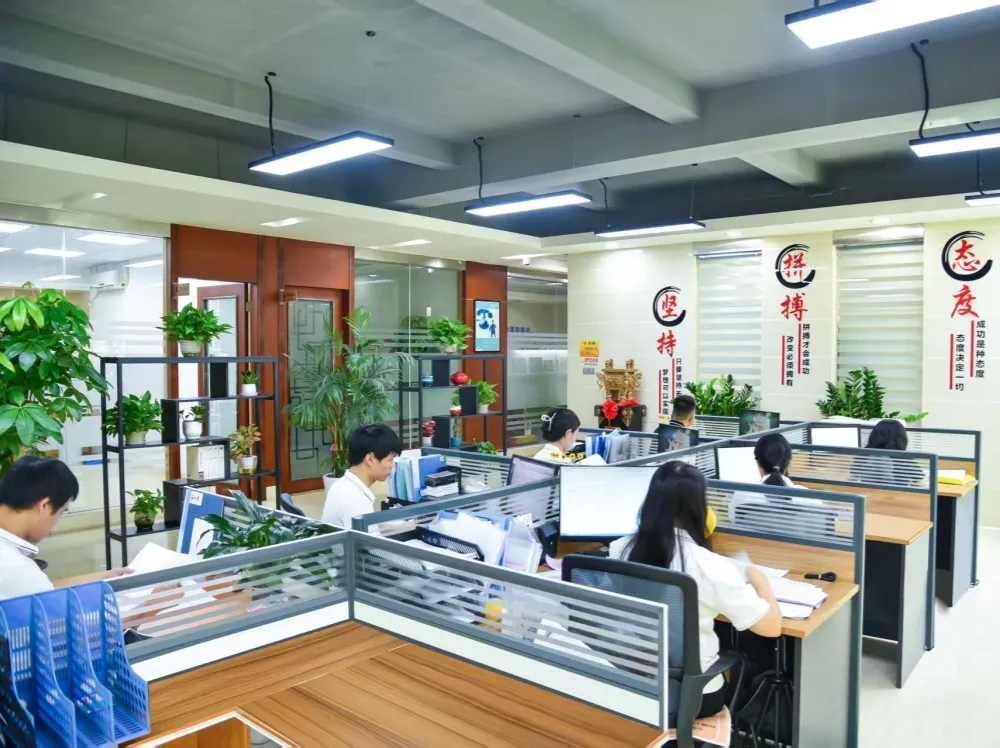
Shenzhen Leaf Vape Co., Ltd. also prioritizes innovation in flavors and herbal blends, including nicotine-free and CBD-compatible options, catering to diverse consumer preferences. With a dedicated R&D team and stringent quality control processes, the company guarantees reliable, long-lasting products that comply with international safety standards.
Committed to sustainability, user education, and the latest vaping trends, Shenzhen Leaf Vape Co., Ltd. continues to expand its global footprint, serving distributors, retailers, and end-users worldwide. Their mission is to redefine modern vaping through smart, stylish, and accessible postless vape devices that elevate every user’s experience.
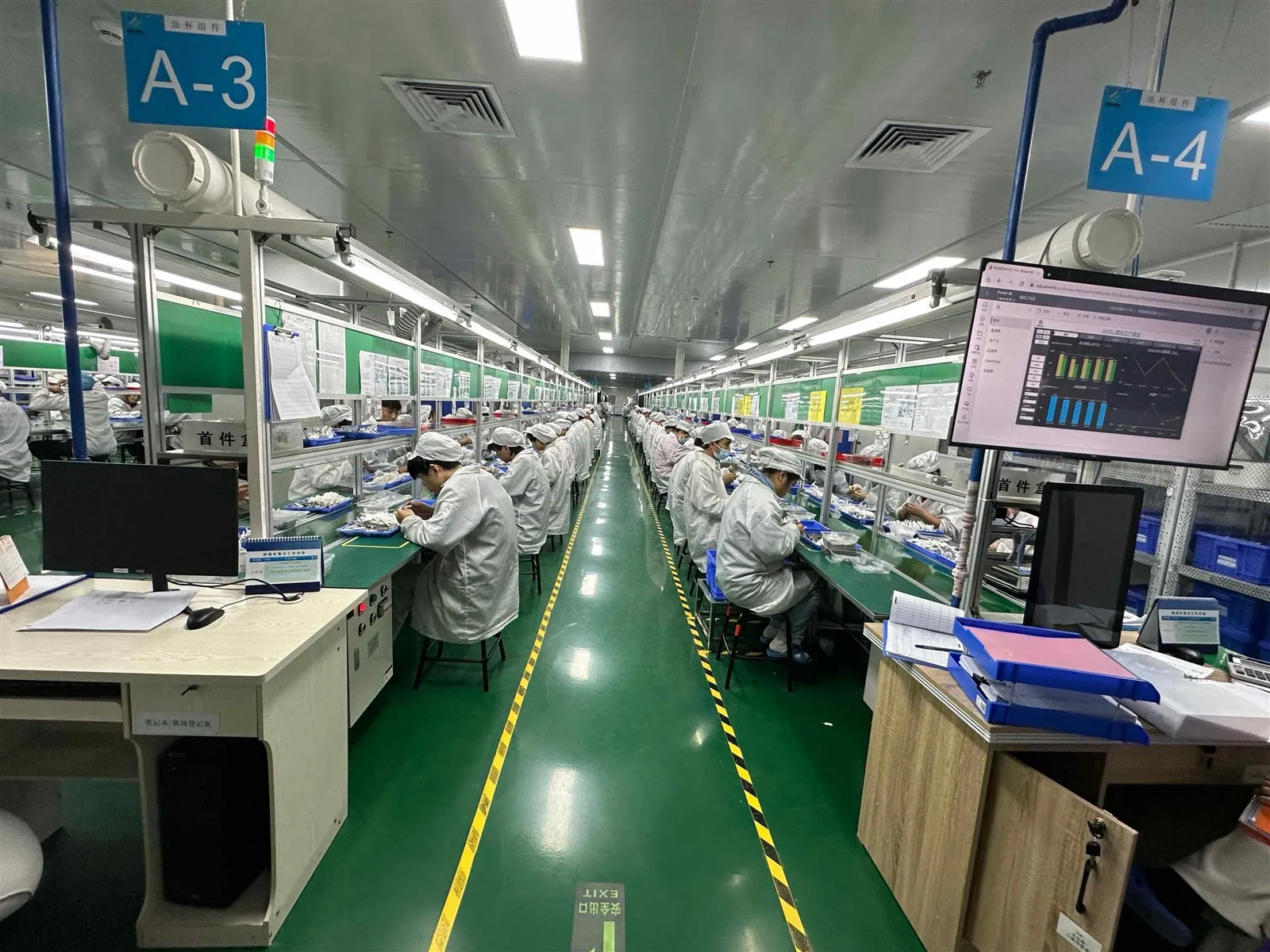
Shenzhen's manufacturing hub uses Industry 4.0 automation to produce sustainable hardware efficiently. Utilizing advanced robotics, automated component placement, and real-time sensor testing, the plant reduces raw material waste and ensures high performance across production runs.
Robotic assembly of heating chambers and battery modules minimizes micro-defect rates to under 0.05%, reducing early hardware failure and e-waste.
Production takes place in ISO-certified clean rooms, maintaining consistent temperature and humidity levels to protect internal batteries and circuitry from moisture.
Optimized shipping paths through Dakar, Abidjan, and Tema ports to Bamako protect shipments from temperature changes during overland travel.
To support nicotine-free, clean, and herbal vaping options, sourcing pure, sustainably harvested organic inputs is essential. These botanical raw materials are processed into high-quality liquid extracts under strict quality standards:

Sustainably grown dried herbal slices used for premium organic extract production.
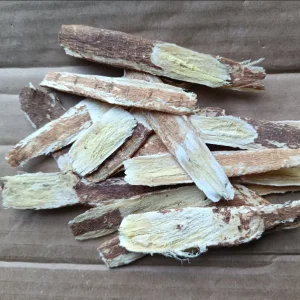
Pure herbal cuts optimized for clean steam extraction and vapor formulation bases.
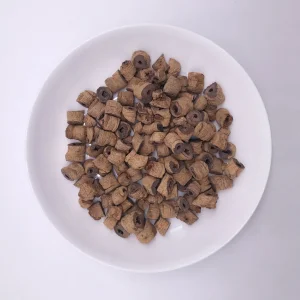
Carefully selected roots processed for botanical vape options and zero-nicotine blends.
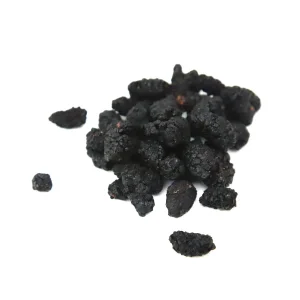
Naturally dried mulberry extracts, delivering sweet fruit notes without synthetic chemical additives.
Importing electronic vaporization hardware and premium base ingredients into West African markets requires compliance with local standards and international safety frameworks.
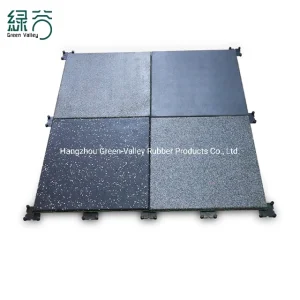
Durable, recycled rubber tiles designed for low-impact industrial warehouse flooring.

Energy-efficient, low-wattage decorative lighting for eco-conscious retail displays.

Low-energy consumption LED screens for sustainability-focused commercial advertising.

High-density base concentrates designed to reduce transportation emissions and packaging waste.
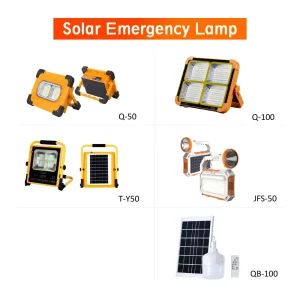
Off-grid solar lamp designed for commercial facilities and retail stalls in Mali.

Food-grade, natural fruit extracts free from synthetic chemicals.

Handwoven, weather-resistant furniture using natural, sustainable wicker fibers.

High-precision spatial sensors designed to optimize automated inventory management.
 Leaf Vape