Explore top-tier equipment, materials, and technological components sourced directly from verified export leaders.



The global vaporization market is witnessing a profound evolutionary shift. While Mouth-to-Lung (MTL) and classic Direct-to-Lung (DTL) devices have historically divided the market, a middle-ground formulation—Restricted Direct Lung (RDL)—has emerged as the fastest-growing sector for global wholesale buyers. RDL bridging offers the throat-hit control associated with MTL with the rich vapor volume and flavor rendering typical of high-wattage DTL systems. For importers, distributors, and brands, capitalizing on this sweet spot requires a deep understanding of China's advanced manufacturing capabilities.
Historically, DTL vapes demanded bulky multi-battery box mods and rebuildable atomizers, which alienated convenience-oriented consumers. Conversely, MTL pod systems, while portable, lacked the dynamic airflow and flavor depth required by enthusiasts. RDL engineering solves this market friction by optimizing coil resistance (typically between 0.4Ω and 0.8Ω), restricting airflow ports to generate medium resistance, and leveraging low-to-medium wattages (15W to 28W). The result is a compact, highly efficient, and flavor-saturated experience that consumes less e-liquid than heavy sub-ohm systems while delivering superior satisfaction.
Optimal RDL Resistance Range
Annual Growth in RDL Inquiries
Compliance with PMTA & TPD Standards
Postless Chamber Architecture
At the center of this industry movement is the technology pioneered by premium manufacturers in Shenzhen. The transition to smart postless vape devices represents a monumental leap in hardware reliability. Traditional vaporization chambers utilize metallic posts to anchor heating coils, which inadvertently reduces the volume available for e-liquid and introduces structural vulnerabilities that cause leakage. By removing these mounting posts, advanced postless chambers utilize integrated sub-deck clamps or direct-soldered contact plates, dramatically maximizing chamber space, improving structural integrity, and optimizing laminar airflow dynamics.
For B2B buyers, the engineering of postless structures solves several historical pain points:
Shenzhen Leaf Vape Co., Ltd. is a leading innovator in the vaping industry, specializing in smart postless vape devices designed for modern consumers seeking convenience, performance, and style. Founded in Shenzhen, China, the company has quickly established a reputation for high-quality disposable and rechargeable vape solutions under its flagship brand, StrainX Vape – Leaf. By integrating cutting-edge technology with sleek, user-friendly designs, Shenzhen Leaf Vape Co., Ltd. offers products that meet the evolving demands of both beginner and experienced vapers.
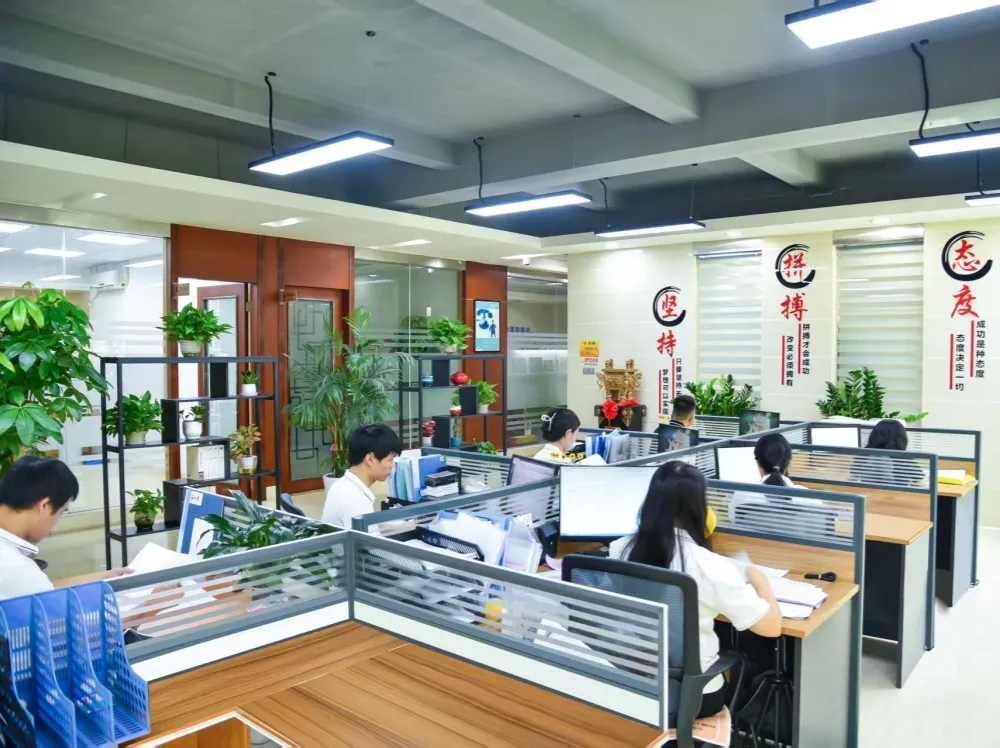
Figure 1: The StrainX Vape lineup by Shenzhen Leaf Vape Co., Ltd. showcases clean aesthetics and ergonomic RDL mouthpieces designed for global consumer demographics.
The company’s product range emphasizes safety, efficiency, and flavor customization. Their smart postless devices incorporate advanced battery management, leak-proof systems, and temperature control, ensuring a consistent and satisfying vaping experience. In addition to disposable options for on-the-go convenience, the company provides rechargeable devices that combine durability with modern aesthetics, appealing to environmentally conscious users.
Shenzhen Leaf Vape Co., Ltd. also prioritizes innovation in flavors and herbal blends, including nicotine-free and CBD-compatible options, catering to diverse consumer preferences. With a dedicated R&D team and stringent quality control processes, the company guarantees reliable, long-lasting products that comply with international safety standards.
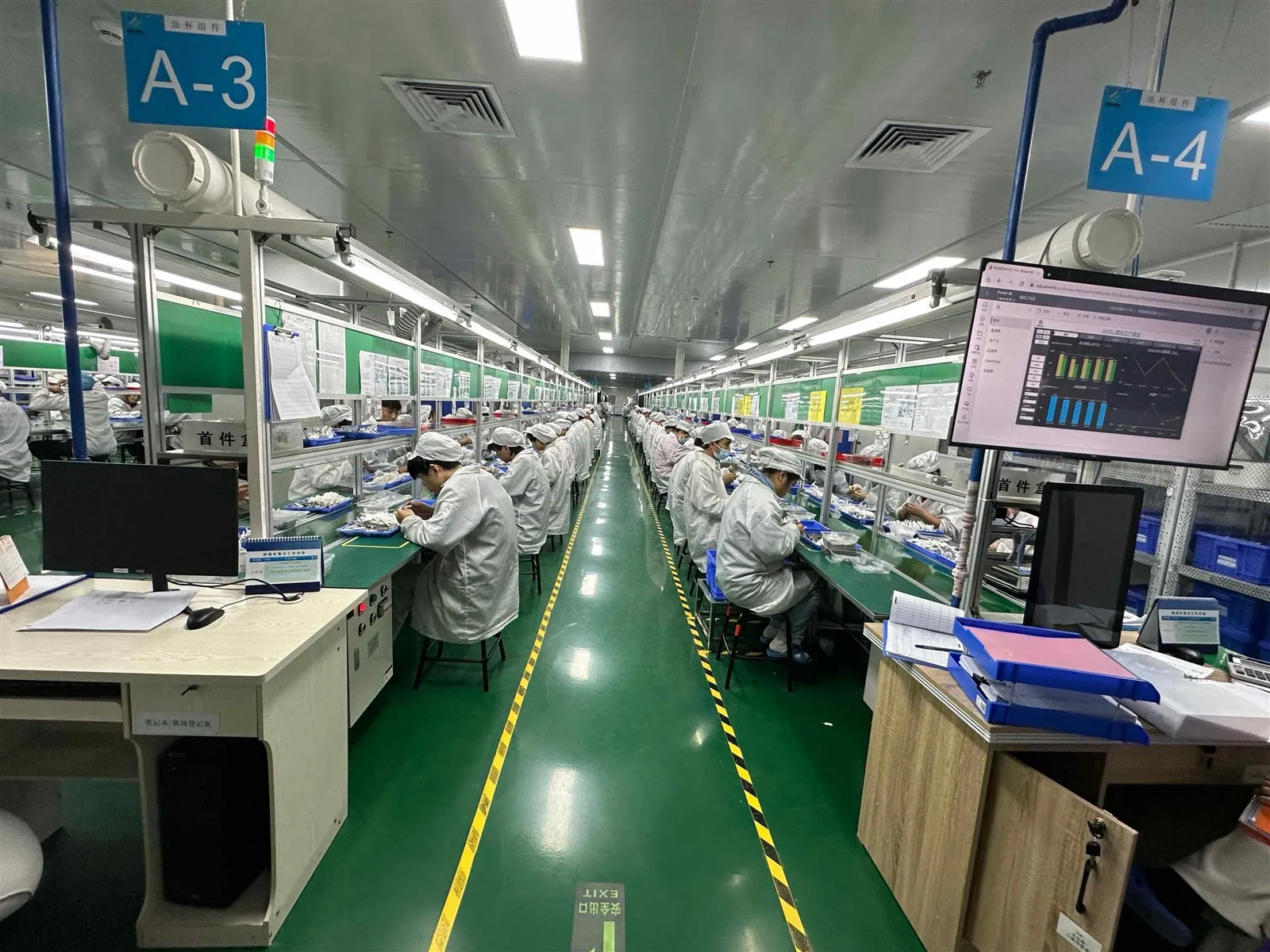
Figure 2: Shenzhen Leaf Vape Co., Ltd.'s automated quality testing setup ensures zero-leakage, strict airflow calibration, and precise battery management cell inspection.
Committed to sustainability, user education, and the latest vaping trends, Shenzhen Leaf Vape Co., Ltd. continues to expand its global footprint, serving distributors, retailers, and end-users worldwide. Their mission is to redefine modern vaping through smart, stylish, and accessible postless vape devices that elevate every user’s experience.
Why must global B2B buyers partner with China-based RDL factories? The answer lies in the sheer scale, vertical integration, and cluster economics of the Bao'an District in Shenzhen. Over 90% of the world's vaping hardware is manufactured in this single metropolitan zone. This localization creates unparalleled supply chain efficiencies:
From raw materials (PCTG plastics, surgical steel, organic wicking cotton) to advanced lithium polymer battery cells, everything is produced within a 15-mile radius. This reduces prototyping times from months to mere days.
China's top exporters operate ISO Class 7 and Class 8 cleanrooms. This level of dust-free assembly is critical for maintaining sanitary components and preventing chemical contamination during manufacturing.
Automated assembly lines, automated ultrasonic welding, and precise machine-vision optical testing ensure that defect rates remain under 0.05%, ensuring maximum return on investment for international brands.
Operating a global vape business requires navigation of local compliance regulations. A qualified Chinese exporter does not just supply hardware; they act as a compliance consultant. High-end exporters provide comprehensive dossiers for standard regulatory programs across the globe:
Under Article 20 of the TPD, all products containing nicotine must adhere to strict packaging guidelines, maximum tank capacities of 2ml, and precise emission testing profiles. Leading factories provide lab testing reports detailing the specific composition of aerosol emissions, verifying the absence of carbonyls (formaldehyde, acetaldehyde, acrolein) and heavy metals (lead, chromium, nickel).
The FDA requires a comprehensive scientific review of any tobacco product marketed in the US. Successful factories support importers by providing full Material Safety Data Sheets (MSDS), Master Files, and chemical profiling for heating coils, plastic pods, and internal battery structures, drastically lowering the cost barrier of filing.
Customs seizure is a major risk factor for B2B vape shipments. Chinese exporters with established global logistics arms utilize verified freight forwarding lines (such as double-clearance sea and air freight) to ensure that custom declarations are filled accurately, reducing clearance friction in the US, UK, Middle East, and EU ports.
Always verify if your Chinese partner has a valid State Tobacco Monopoly Administration Manufacturing License. This is a mandatory operational requirement in China, signaling that the factory undergoes regular governmental inspections for raw materials, workplace conditions, and quality standards.
When shortlisting RDL vape manufacturers, wholesale buyers must evaluate technical parameters. Below is a checklist designed to filter top-performing suppliers from secondary trading companies:
As the industry matures toward 2025, several market dynamics are influencing B2B purchasing habits:
Key technical and business inquiries addressed by our engineering and logistics specialists.
MTL (Mouth-to-Lung) mimics traditional cigarettes with tight airflow, high resistance (1.0Ω+), and low vapor. DTL (Direct-to-Lung) features open, unrestricted airflow, low resistance (under 0.3Ω), and massive clouds. RDL (Restricted Direct Lung) sits in the sweet spot: it uses medium resistance coils (0.4Ω to 0.8Ω) and limited airflow to deliver dense, flavor-saturated vapor directly to the lungs, requiring less battery power and e-liquid than DTL.
Postless design eliminates the physical posts that penetrate the floor of the vaporization chamber. Since there are fewer holes and connection points in the bottom shell, the gravitational pathways for e-liquid seepage are closed off. Additionally, the configuration allows for cleaner cotton placement, keeping liquid locked in the wicking medium.
For custom OEM branding (packaging and shell print), the MOQ is typically 5,000 to 10,000 units per flavor or model. For complete ODM custom molds (proprietary plastic designs, specialized hardware builds), the threshold generally starts at 50,000 units due to the tooling costs of injection molds.
Exporters utilize accredited third-party laboratories to conduct emissions testing. They generate reports proving that e-liquids are free of forbidden chemicals, that pod capacities are capped at 2ml (for Europe), that products have child-resistant safety locks, and that appropriate warning labels are printed on packaging. Once complete, they register the notifications on the EU Common Entry Gate (EU-CEG) portal.
Explore additional specialized components, hardware, and raw materials optimized for international business buyers.


 Leaf Vape