


Low resistance coils, typically defined by operating parameters below 1.0 Ohm (often referred to as sub-ohm configurations in vaporizing technology), represent a critical evolution in electric heating elements. By lowering electrical resistance (R) in accordance with Ohm’s Law (I = V/R), these coils allow higher current flow when paired with a given voltage source. The immediate thermodynamic result is accelerated heat ramp-up times, elevated surface temperatures, and substantially increased thermal volume output. Understanding the metallurgical composition, surface area configuration, and electrical properties of these components is vital for global B2B procurement officers seeking peak efficiency and reliable lifecycle metrics.
For advanced applications—ranging from medical nebulization and precise industrial heating components to consumer vaping hardware—the choice of alloys determines performance consistency. Primarily, nickel-chromium (NiCr) alloys, iron-chromium-aluminum (FeCrAl - widely known as Kanthal), and surgical-grade stainless steel (SUS316L) serve as the material foundation. Each alloy is meticulously engineered to balance resistivity, temperature coefficient of resistance (TCR), oxidation resilience, and structural integrity under constant thermal cycling.
"Precision engineering in low resistance coil structures directly correlates with energy efficiency. By optimizing the surface-area-to-mass ratio, manufacturers can reduce raw battery draw while maximizing aerosol or thermal conversion rates."
Shenzhen Leaf Vape Co., Ltd. is a leading innovator in the vaping industry, specializing in smart postless vape devices designed for modern consumers seeking convenience, performance, and style. Founded in Shenzhen, China, the company has quickly established a reputation for high-quality disposable and rechargeable vape solutions under its flagship brand, StrainX Vape – Leaf. By integrating cutting-edge technology with sleek, user-friendly designs, Shenzhen Leaf Vape Co., Ltd. offers products that meet the evolving demands of both beginner and experienced vapers.
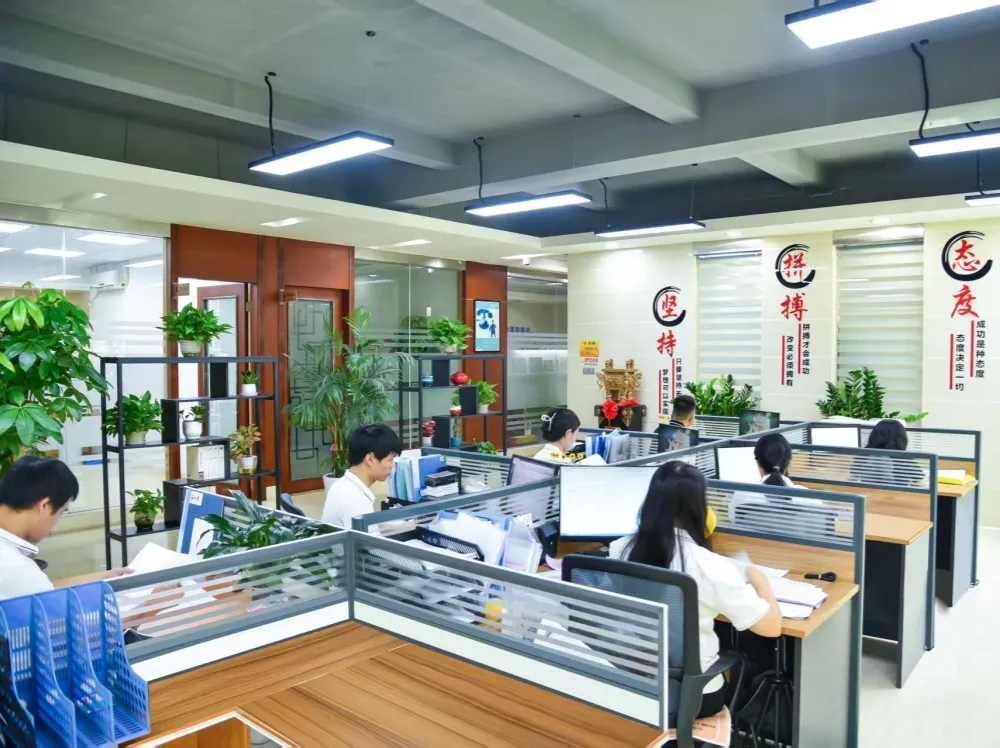
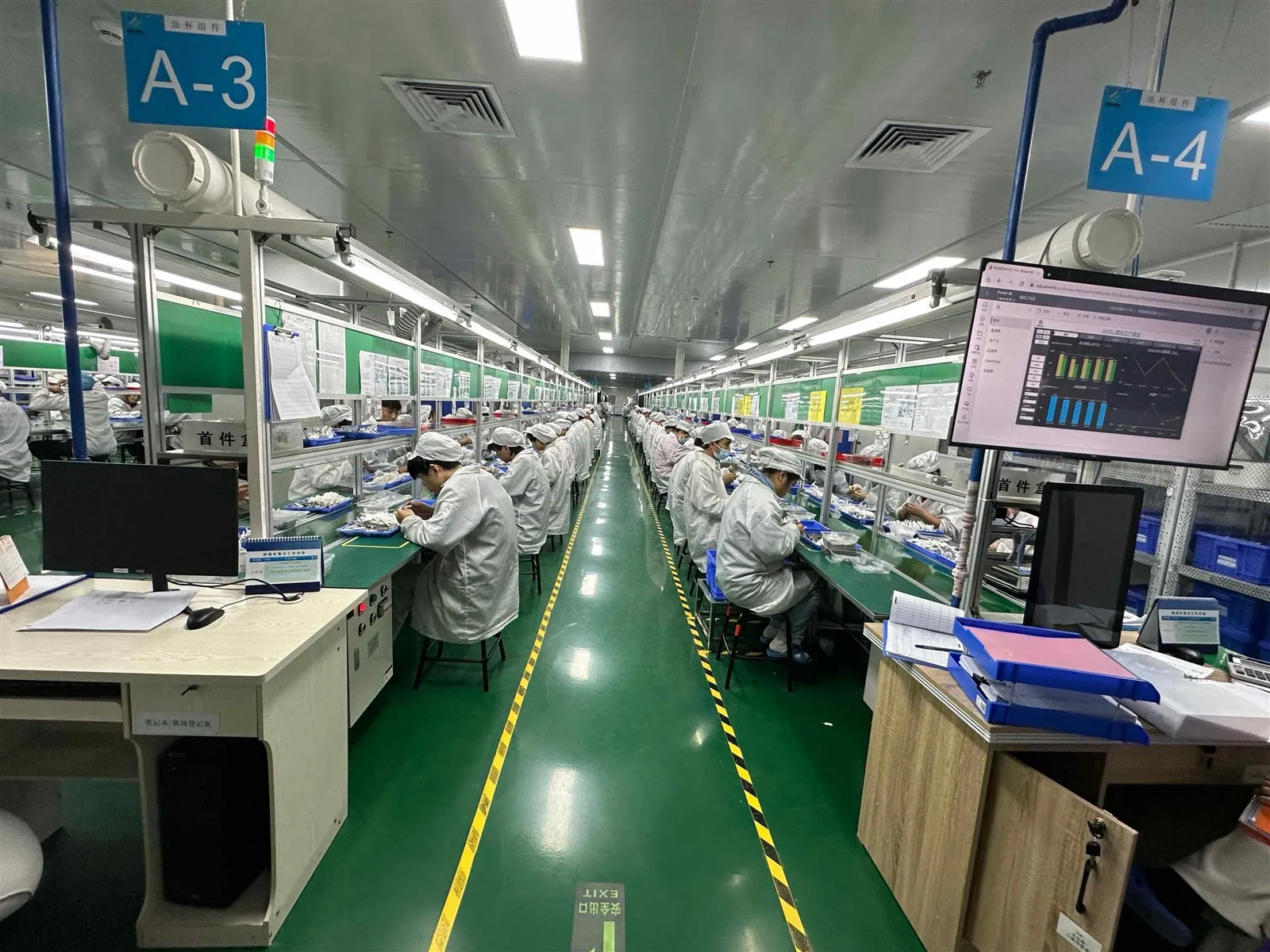
The company’s product range emphasizes safety, efficiency, and flavor customization. Their smart postless devices incorporate advanced battery management, leak-proof systems, and temperature control, ensuring a consistent and satisfying vaping experience. In addition to disposable options for on-the-go convenience, the company provides rechargeable devices that combine durability with modern aesthetics, appealing to environmentally conscious users.
Shenzhen Leaf Vape Co., Ltd. also prioritizes innovation in flavors and herbal blends, including nicotine-free and CBD-compatible options, catering to diverse consumer preferences. With a dedicated R&D team and stringent quality control processes, the company guarantees reliable, long-lasting products that comply with international safety standards.
Committed to sustainability, user education, and the latest vaping trends, Shenzhen Leaf Vape Co., Ltd. continues to expand its global footprint, serving distributors, retailers, and end-users worldwide. Their mission is to redefine modern vaping through smart, stylish, and accessible postless vape devices that elevate every user’s experience.
Modern global supply chains demand rigorous validation of component suppliers. In the context of low resistance heating elements, B2B procurement professionals must navigate complex technical specifications, raw material sourcing transparency, and scalability. The global shift toward highly efficient portable heating applications has driven a massive volume demand for sub-ohm assemblies that exhibit uniform electrical resistance tolerances (typically within ±0.02 Ohms of nominal target ratings).
In addition to strict electrical tolerances, enterprises require complete traceability of materials. Heavy metal contamination—such as trace levels of lead, arsenic, or mercury—can compromise consumer safety and result in devastating regulatory penalties or product recalls. Leading suppliers mitigate these risks through Batch Inspection Reports (BIR), X-ray Fluorescence (XRF) material testing, and compliance with toxic substance restrictions across major trade jurisdictions like North America and the European Union.
To demonstrate high Expertise, Authoritativeness, and Trustworthiness (E-E-A-T), manufacturing operations must go beyond assembly. They must provide complete system integration solutions. A low-resistance coil does not operate in isolation; it must be matched with appropriate battery discharge capabilities, custom wicking materials (such as organic cotton or medical-grade porous ceramics), and a well-engineered airflow chamber. Without this systemic optimization, dry hits, premature thermal breakdown, or battery overheating may occur.
| Alloy Material | TCR Stability | Oxidation Resistance | Primary Application Area |
|---|---|---|---|
| FeCrAl (Kanthal) | Low / Constant | Excellent at high temperatures | Standard high-power heating elements |
| Nickel-Chromium (Ni80) | Medium | Very Good; rapid ramp-up | Sub-ohm consumer electronics & vaporizers |
| Stainless Steel (316L) | High (Allows Temp Control) | High biocompatibility | Medical nebulizers & premium postless hardware |
| Porous Ceramic Mesh | Extremely Stable | Exceptional longevity | High-viscosity extracts & smart vapor systems |
Our engineering division designs customized heating matrices that address these variables. Through finite element analysis (FEA) of thermal dissipation fields, we optimize heat flux to prevent hot spots. This structural precision extends the operational lifespan of the coil by up to 40% while maintaining chemical stability during continuous thermal cycles.
The heating element industry is transitioning from passive resistive wires to intelligent, feedback-controlled thermal systems. Over the next five years, the technical roadmap for low resistance coils points toward the convergence of advanced nano-coating technologies, automated micro-welding, and integrated temperature feedback loops. The objective is to eliminate thermal degradation entirely.
Key areas of development include:
As international markets implement stricter safety directives, having a localized compliance and logistics footprint is essential for maintaining supply chain resilience. Manufacturers must navigate different regional rules, from FDA PMTA regulations in the United States to TPD notifications across Europe and heavy-metal-free compliance in Asian markets.
We provide comprehensive global support by offering end-to-end logistics solutions, custom customs filing documentation, and compliance certifications directly matching regional standards. Our engineering team assists with local compliance approvals, helping distributors fast-track their retail launches with verified test documentation and third-party laboratory safety certifications.
By establishing localized warehousing and logistics hubs across Europe and North America, we shorten delivery times and protect against supply chain interruptions. This allows our wholesale partners to optimize inventory turnover rates without carrying excess safety stock.


 Leaf Vape