
As the global vapor industry undergoes a massive transition dictated by environmental legislation and consumer awareness, Shenzhen Leaf Vape Co., Ltd. stands as a primary engineering force. Specializing in smart, postless vape architectures and high-performance battery systems under our premier flagship brand, StrainX Vape – Leaf, we are rewriting the standards of product circularity, efficiency, and hardware reliability.
Rooted in the global tech capital of Shenzhen, China, our facilities integrate next-generation manufacturing technology to output safety-certified, ecodesign-compliant power cells. By prioritizing advanced power management, modular cell recovery channels, and robust customization capabilities, we support global distributors and hardware developers with high-value OEM/ODM solutions tailored for the strict circular economy frameworks of North America and the EU.
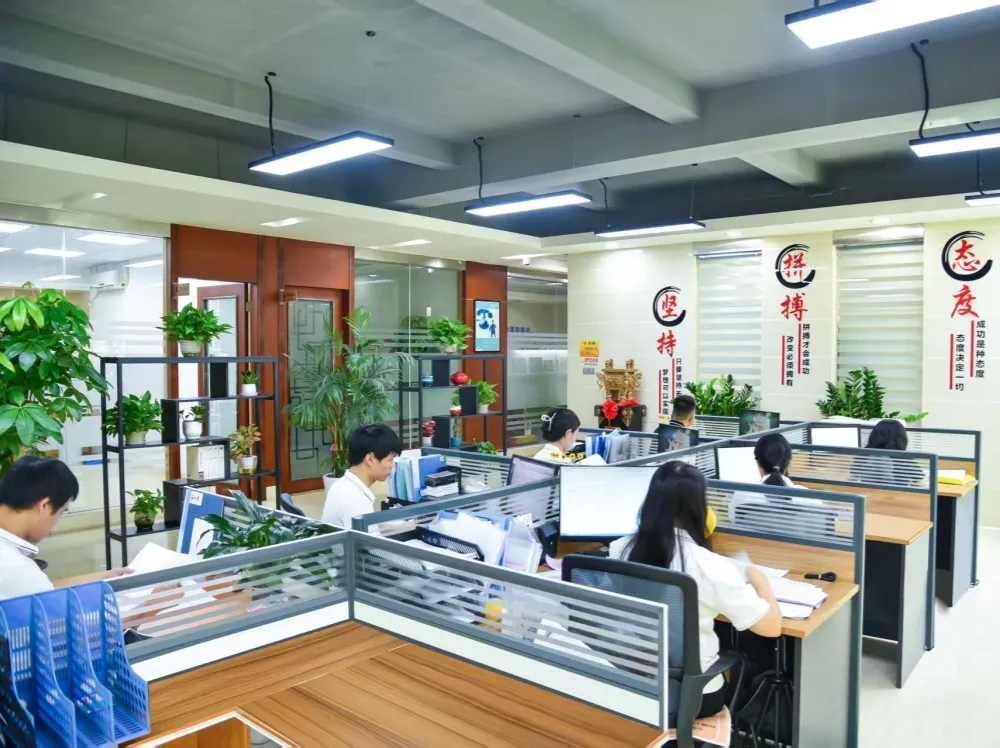
A snapshot of our industrial performance metrics as a leading OEM manufacturer of customizable rechargeable and recyclable battery packs.
The modern vaping market faces an existential shift. Historically, single-use, non-removable lithium batteries within disposable vaporizers have drawn severe environmental criticism and regulatory backlash. Industry data suggests that millions of single-use vaporizers are disposed of in municipal waste systems weekly, discarding high-grade lithium-cobalt chemistry cells into landfills. This has triggered strict legislative interventions, most notably the EU Battery Regulation 2023/1542.
This landmark regulation demands that by 2027, all portable consumer battery devices must feature readily removable and replaceable batteries. Similar regulations are emerging in North America and Australasia under WEEE directives and strict state-level hazardous waste management laws.
For hardware suppliers, the message is clear: the future belongs to modular, recyclable, and rechargeable battery solutions. Our OEM facilities have adapted to these mandates, engineering batteries featuring modular electrical connections (non-welded where possible, or designed with easy-peel terminals) and eco-friendly outer casings to ensure rapid post-consumer dismantling and cell material recovery.
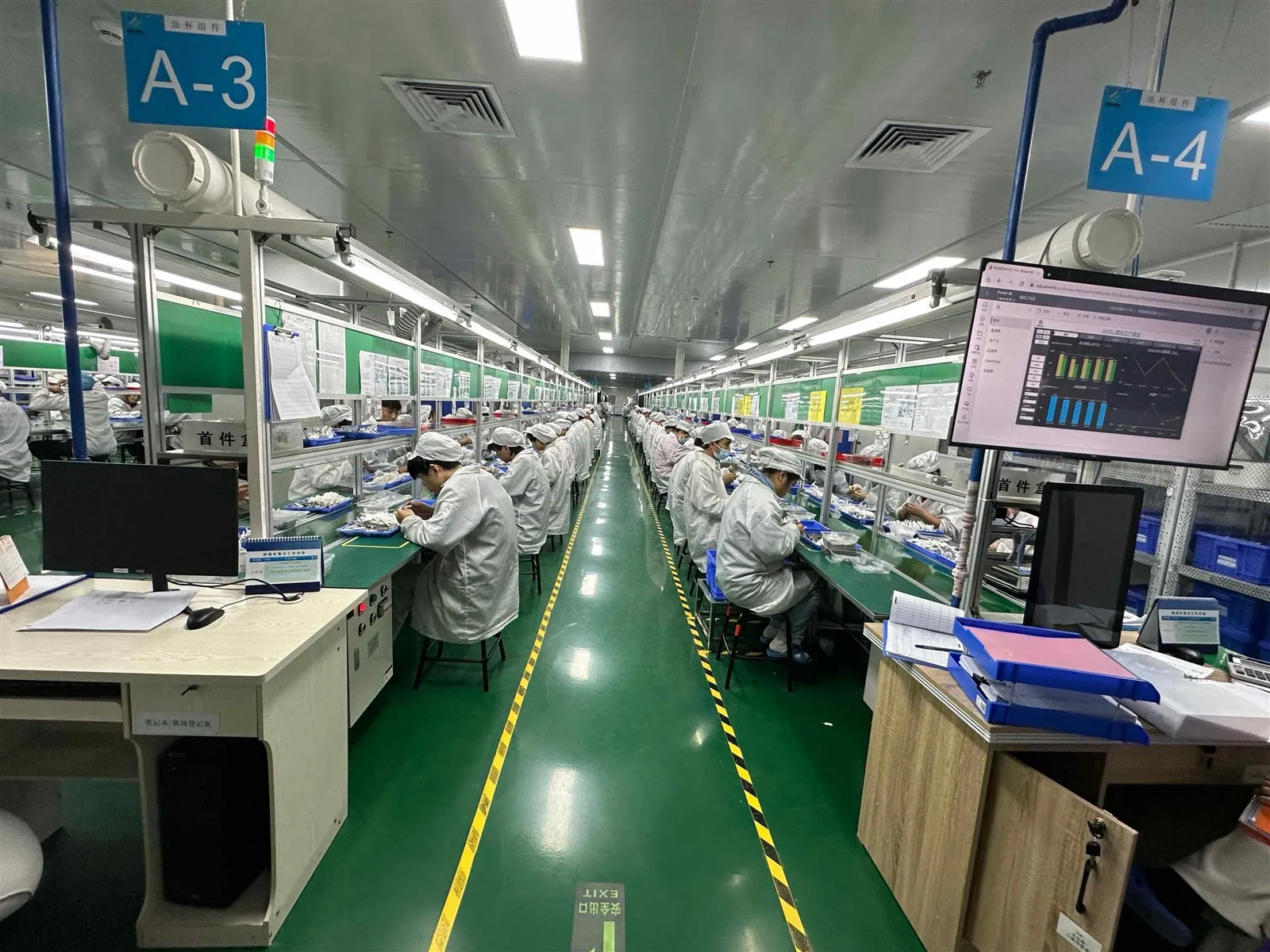
Innovative mechanical and electrochemical design methodologies deployed by StrainX Vape to guarantee safety, modularity, and operational longevity.
Integrated micro-circuits protect cells from overcharging, deep discharge, and thermal runaway, while optimizing discharge curves to conserve battery capacity over hundreds of charge cycles.
Eliminating permanent structural adhesives. Our cells feature snap-lock enclosures and mechanical contact pins, enabling rapid sorting at sorting centers and reducing labor overhead during materials reclamation.
By pairing eco-batteries with smart postless vaporizers, we separate the electrical chassis from the fluid reservoirs, preventing hazardous chemical seepage into the cell compartment.
Shenzhen remains the undisputed global capital of vapor technology R&D. Crucially, the city's concentrated raw material network allows us to source high-grade lithium components, premium protection boards (PCBs), and fire-retardant housings within a 30-mile radius. This dense ecosystem eliminates transit-related logistical friction, speeding up time-to-market and reducing operational carbon footprint.
At our high-precision Shenzhen factory, we run fully automated assembly processes that perform inline testing of cell resistance, capacity distribution, and cycle decay. By utilizing robotic laser-welding, precision ultrasonic enclosure sealing, and real-time AOI (Automated Optical Inspection), we guarantee that every batch of custom OEM batteries displays consistent electrical performance. This minimizes field failures and product recalls for brands.
Our battery systems undergo rigorous safety profiling in compliance with international testing frameworks. This includes UN38.3 certification for transport safety, MSDS preparation, IEC62133 compliance audits, and CE/RoHS verification. For clients targeting regional compliance, our documentation speeds up customs clearance and fulfills import auditing demands.
We tailor battery engineering to match varying target markets, recognizing that regional consumer habits and regulatory environments shape hardware needs.
Compact, highly efficient batteries matched with low-volume oil pods. These devices integrate micro USB-C recharge ports and user-friendly detaching mechanisms, maximizing product lifespans under EU regulations.
Variable voltage output cells (2.8V, 3.2V, 3.6V) designed for high-viscosity CBD, THC, and alternative cannabinoid formulations. These batteries feature built-in preheating circuits and robust safety protocols.
Large-format rechargeable power reserves optimized for heavy commercial usage. Designed with high-density pure cobalt chemistry cells to guarantee consistent vapor and flavor output over extended runtimes.
When evaluating high-volume OEM/ODM battery factories, procurement managers must analyze more than just capacity metrics. A sustainable, risk-averse supply chain relies on several performance and safety variables:
| Metric | Industry Standard | StrainX Vape Standards | Client Advantage |
|---|---|---|---|
| Internal Resistance | < 35 mΩ | < 20 mΩ | Lower thermal output, increased battery efficiency. |
| Capacity Retention | 70% after 300 cycles | 85% after 300 cycles | Longer consumer life cycle, less battery waste. |
| Cell Chemistry | Mixed manganese chemistries | Pure Lithium Cobalt Oxide (LiCoO2) | Stable voltage output, premium vapor delivery. |
| Eco-Materials | Standard PVC shrink wrap | Biodegradable wrapper / PCR PCR shell | Simplifies environmental compliance audits. |
Analyzing the technological shifts shaping eco-conscious consumer electronics and battery pack integration over the next decade.
Devices are transitioning to hot-swappable batteries. This allows consumers to recycle only the battery block, while keeping the main chassis and electronics.
Future iterations will leverage solid state electrolytes to eliminate flammable liquid components. This guarantees safer operations and reduces transport safety restrictions.
Embedded NFC tags or QR micro-prints allow users to scan empty pods and batteries, locating close recycling collection bins and tracking carbon savings.
Clear, comprehensive answers addressing technical, safety, logistics, and compliance inquiries for professional B2B buyers.

 Leaf Vape