Why is Vaping Banned in Some Public Places Worldwide?

Time:2026-06-13 Author:Ethan
0%

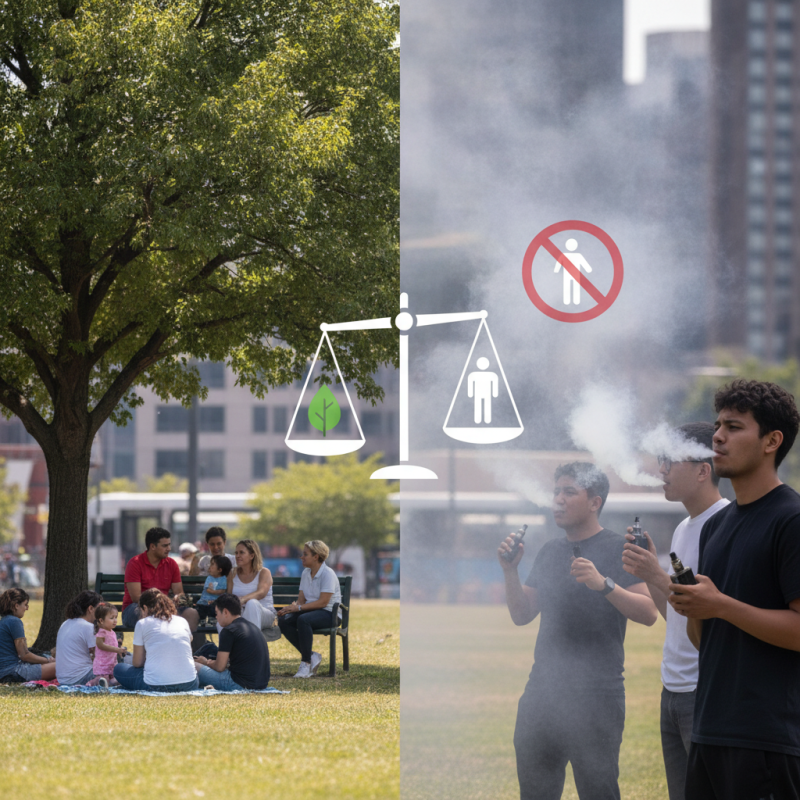
The debate around vaping has intensified globally. Many cities and countries have enacted bans in specific public areas. Understanding "Why is vaping banned in certain areas" reveals complex health and social considerations. Dr. Emily Thompson, a public health expert, emphasizes, "Vaping may appear safer, but it poses risks to bystanders, especially children."

Public places are often crowded and diverse. The presence of vapor can affect non-smokers, particularly vulnerable populations. Concerns about secondhand exposure contribute to the reasoning behind these bans. Areas like parks and transportation hubs are common targets for restrictions. These locations prioritize the health and comfort of all visitors.

However, the conversation isn't black and white. Vapers argue that they should have the same rights as smokers. There are ongoing discussions about designated areas. Striking a balance between personal freedom and public health is essential. Communities continue to grapple with these nuances, looking for effective solutions.
Why is Vaping Banned in Some Public Places Worldwide?

Reasons for Vaping Bans in Public Areas

Vaping has become a common activity in many cities, yet it faces bans in various public places. The primary reason for these bans relates to health concerns. Many studies suggest that vaping can lead to respiratory issues. Secondhand vapor exposure raises similar worries as secondhand smoke from traditional cigarettes. Protecting non-smokers, particularly vulnerable groups like children and the elderly, remains a key issue.

Public perception also plays a role in these bans. Many people view vaping as a gateway to smoking. This fear has led to stricter regulations. Additionally, the visibility of vaping in public can influence young people. Witnessing vaping might normalize the behavior, enticing minors to try it.

Tips for those who vape include being mindful of your surroundings. Consider vapor concentration in crowded areas. If you're unsure about local regulations, research them before vaping in public. Understanding the laws can prevent unnecessary fines and conflicts. Respect for others is essential when using vaping products. If you sense discomfort from those around you, it might be wise to step away. Be conscious of how your choices affect public spaces.

Health Concerns Associated with Secondhand Vapor

The rise of vaping has prompted discussions about public health, particularly regarding secondhand vapor. Unlike traditional cigarettes, e-cigarettes release aerosol that may contain harmful substances. According to the National Institute on Drug Abuse, approximately 10% of adults report exposure to e-cigarette aerosol. This exposure is becoming a growing concern among health officials.

Studies indicate that secondhand vapor can affect bystanders. The American Journal of Public Health found that chemicals in vapor can irritate the respiratory system. Formaldehyde and acrolein are two substances often present in e-cigarette emissions. Even in outdoor settings, these toxic substances can linger in the air. This raises questions about the safety of vaping in public spaces.

The World Health Organization suggests that vapor may be less harmful than smoke, but it is not harmless. Evidence shows that some adolescents are unaware of these risks. A survey revealed that 30% of young vapers believe e-cigarettes are safe. This knowledge gap highlights the need for better public education. As regulations evolve, addressing these health concerns is crucial for community well-being.

Health Concerns Associated with Secondhand Vapor

Regulations and Policies on Vaping Worldwide

Vaping regulations vary significantly across the globe. In many regions, laws focus on protecting public health and minimizing exposure to vapor. Countries like Australia and Canada have strict rules on where vaping is allowed. Some urban areas enforce complete bans in public spaces. Such measures aim to reduce the risks associated with secondhand exposure.

Cities often cite health studies when implementing bans. These studies highlight concerns about the impact of vaping on bystanders, especially children and non-smokers. Authorities also worry that vaping can normalize smoking behaviors, leading to increased usage among youth. Despite regulations, enforcement can be inconsistent, leading to public confusion.

Tips: Always check local laws before vaping in public. Respect designated areas for smoking or vaping. If you're unsure, choose not to vape in crowded places. Awareness of your surroundings is essential.

Concerned residents may question the effectiveness of regulations. Some argue that bans do not eliminate vaping but push it into less safe environments. Balancing public health with personal freedoms poses a challenge for policymakers. Discussions around vaping should continue to adapt as more research becomes available.

Public Perception and Social Attitudes Toward Vaping

Public perception of vaping varies widely across different regions. In many places, it is seen as a modern alternative to smoking. Some perceive it as a safer choice, fostering a sense of relaxation and community among users. However, this positive view is not universal. Many individuals express concerns over health risks associated with vaping. Studies suggest that inhaling vapor may still pose significant dangers, igniting debates on its safety.

Social attitudes toward vaping often mirror these perceptions. In some areas, it is embraced, with vaping lounges and open spaces designed for enthusiasts. In contrast, other regions enforce strict regulations. Public spaces may ban vaping alongside traditional smoking. This shift highlights growing apprehension about the effects on bystanders. For non-smokers, the presence of vapor clouds can feel intrusive.

The juxtaposition of acceptance and prohibition sheds light on a broader societal struggle. As discussions continue, the path of vaping in public remains unclear. The evolution of attitudes can shape future policies. Communities grapple with balancing personal freedom and public health concerns. The ongoing dialogue reveals a need for thoughtful reflection on vaping's role in our society.

Comparative Analysis of Vaping and Smoking Ban Laws

Vaping laws vary significantly around the globe. In many areas, vaping is treated similarly to smoking. Countries like Australia and parts of Canada impose strict regulations. This is due to concerns about health and public safety. Some studies indicate that secondhand vapor may contain harmful substances. Thus, the argument arises for placing vaping bans in certain public venues.

Public perception also plays a crucial role. Many people view vaping as less harmful than smoking. However, as awareness grows, the narrative changes. Sometimes, people are unsure of the long-term impacts of vaping. This uncertainty fuels calls for restrictions similar to those on traditional cigarettes. Enforcement of these laws can be uneven, leading to confusion among the public.

Tips: If you vape, be aware of local rules. Always check what is legal in your area. Engage in conversations about vaping and its effects. Understanding others’ viewpoints can enhance awareness. Aim to be responsible in public spaces. This way, we can promote a healthier environment for everyone.

Why is Vaping Banned in Some Public Places Worldwide? - Comparative Analysis of Vaping and Smoking Ban Laws

Country/Region Vaping Ban Status Smoking Ban Status Reason for Ban
United States Varies by State Widely Banned Health Risks, Youth Usage
United Kingdom Allowed in Most Places Widely Banned Public Health Considerations
Australia Under Regulation Widely Banned Concern Over Health and Youth
Canada Varies by Province Widely Banned Health Risks Similar to Smoking
Singapore Banned Banned Public Health Laws
Japan Banned in Some Areas Banned in Many Public Places Cultural Norms, Health Concerns

FAQS

: What are the primary regulations around vaping worldwide?

: Vaping regulations differ by region. Some areas enforce strict bans in public spaces to protect public health.

Why do some cities implement vaping bans?

Health studies raise concerns about secondhand vapor affecting bystanders, especially vulnerable populations like children.

How do people generally view vaping?

Public perception varies. Some see it as a safer alternative to smoking, while others fear health risks.

What challenges do communities face regarding vaping laws?

Balancing personal freedoms with public health is difficult. Many grapple with how to manage vaping in shared spaces.

Are vaping regulations consistently enforced?

Enforcement can be inconsistent, leading to confusion about where vaping is allowed or banned in public areas.

Is it safe to vape in crowded places?

It’s best to avoid vaping in crowded areas. Always respect local laws to ensure safety for everyone around you.

Do all regions allow vaping in public spaces?

No, some areas have strict public bans similar to smoking regulations. Always check local laws before vaping.

How does social attitude impact vaping regulations?

Social acceptance of vaping can influence local laws, with stricter regulations emerging as public concern grows.

What are some public health concerns related to vaping?

Inhalation risks and the potential normalization of smoking behaviors among youth raise significant public health concerns.

How can individuals promote responsible vaping?

Stay aware of local laws, engage in discussions about vaping, and respect the comfort of non-smokers in shared environments.

Conclusion

The article "Why is Vaping Banned in Some Public Places Worldwide?" explores the various reasons behind the implementation of vaping bans in public spaces. This prohibition often stems from health concerns associated with secondhand vapor, which some studies suggest may pose risks to bystanders similar to those of secondhand smoke from traditional cigarettes. Additionally, public perception and social attitudes toward vaping play a crucial role, as many view it through the lens of smoking, leading to calls for strict regulations akin to those governing smoking in public areas.

Furthermore, the article discusses the regulations and policies on vaping across different regions, highlighting how these varying laws reflect local attitudes and health considerations. A comparative analysis of vaping and smoking ban laws reveals that, while the two practices have distinct characteristics, the societal concerns regarding their impact on public health converge, answering the question of "Why is vaping banned in certain areas?" through a holistic view of public health and safety.

Ethan

Ethan

Ethan is a seasoned marketing professional with a deep expertise in our company's innovative product line. With a passion for sharing knowledge and insights, he takes the lead in regularly updating our corporate blog, where he explores industry trends, product features, and effective marketing......