Top 10 Reasons Why Some Vapes Produce Bigger Clouds?

Time:2026-05-16 Author:Madeline
0%

When diving into the world of vaping, one key question often arises: Why do some vapes produce bigger clouds? Understanding this phenomenon can enhance your vaping experience significantly. Many factors contribute to cloud size, and not all vapes are created equal.

The type of device, coil resistance, and e-liquid composition play crucial roles. Devices with higher wattage and adjustable settings typically generate more vapor. E-liquids with higher viscosity can also lead to larger clouds. However, achieving this balance isn't always straightforward. Some might find their setup underwhelming, leading to smaller clouds.

Exploring the intricacies of different vaping setups can shed light on this. It's essential to experiment and find what works best for you. Cloud production varies from one vape to another, and even small changes can make a notable difference. Understanding these elements not only provides insight but also encourages personal exploration in the vaping journey.
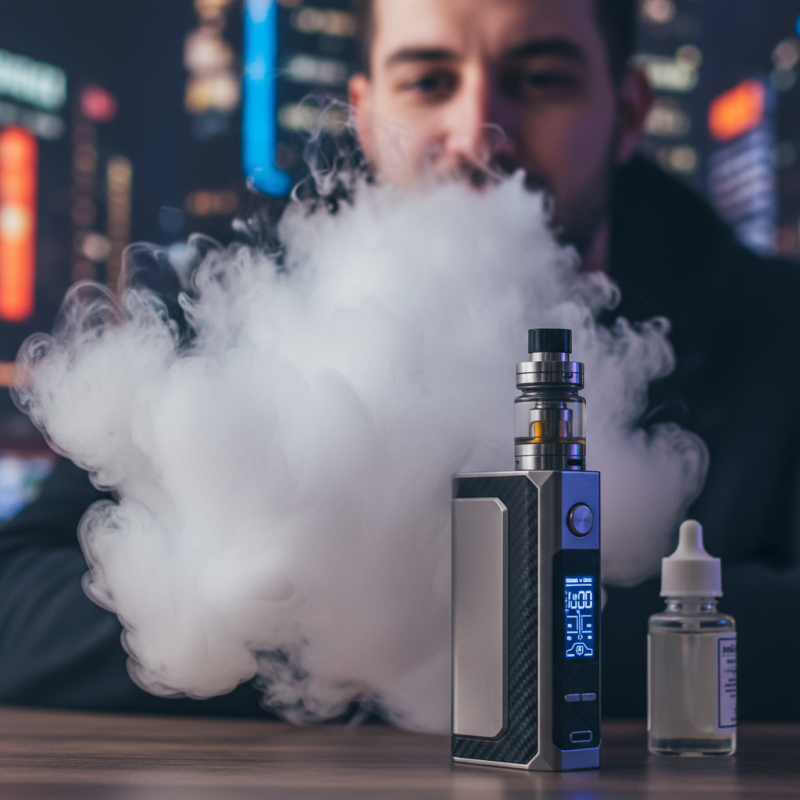
Top 10 Reasons Why Some Vapes Produce Bigger Clouds?

Types of Vapes and Their Cloud Production Capabilities

Vaping devices vary greatly in their ability to produce vapor clouds. Generally, the cloud production hinges on the type of vape, the coil design, and the device's power output. For instance, sub-ohm devices are popular for their higher wattage settings. They heat e-liquid more efficiently, creating dense clouds. Reportedly, sub-ohm setups can produce up to 70% more vapor than traditional devices.

Another critical factor is the type of e-liquid used. High-VG (Vegetable Glycerin) blends are favored for cloud chasing. VG offers a thicker consistency, which contributes to larger vapor production. According to industry data, e-liquids with a VG ratio higher than 70% yield significantly more vapor. Moreover, the airflow design in devices influences cloud size. Devices with adjustable airflow allow users to customize their experience, balancing flavor and vapor volume.

Cloud production isn’t without its challenges. Some users report that achieving larger clouds can lead to rapid e-liquid depletion. This requires users to frequently refill, which may not be practical for everyday use. Additionally, increased wattage can strain battery life, prompting considerations about battery safety and longevity. Such trade-offs highlight an ongoing quest for balance between cloud size and usability.

The Role of E-Liquid Viscosity in Vapor Density

The viscosity of e-liquids plays a crucial role in vapor density. Viscosity refers to the thickness or resistance of a liquid to flow. Higher viscosity means a thicker liquid. This thickness can significantly influence how much vapor is produced during inhalation. Thicker e-liquids tend to produce more vapor, creating those impressive clouds users often seek.

When e-liquids are heated, their viscosity changes. A thicker liquid may require more heat to vaporize fully. This process can lead to denser vapor. However, not all devices can handle high-viscosity liquids effectively. Some devices may struggle, leading to a less satisfactory experience. Users often find that the right balance of viscosity enhances their cloud-chasing experience.

Choosing the right viscosity is not straightforward. Finding an ideal e-liquid can involve trial and error. Some vapers may prefer smoother hits while others chase bigger clouds. Preferences vary widely based on personal taste and device compatibility. It's essential to consider both the liquid's viscosity and the vape device used. Prioritizing comprehensive knowledge about these factors ensures a more enjoyable vaping experience.

Top 10 Reasons Why Some Vapes Produce Bigger Clouds? - The Role of E-Liquid Viscosity in Vapor Density

Reason Description E-Liquid Viscosity Vapor Density
High VG Ratio Higher VG (Vegetable Glycerin) content leads to thicker vapor. High Viscosity High
Wattage Settings Higher wattage increases heat and vapor production. Variable Variable
Coil Type Different coils can heat e-liquid differently. Variable Variable
Airflow Proper airflow enhances vapor production. Variable Variable
Temperature Control Regulating temperature can optimize vapor. Variable Variable
Nicotine Level Lower nicotine levels may produce thicker clouds. Variable Variable
Additives Certain additives can enhance cloud production. Variable Variable
Device Type Different devices are designed for cloud chasing. Variable Variable
User Technique Inhalation technique can also impact cloud size. Variable Variable
Ambient Temperature Temperature can affect vapor density and visibility. Variable Variable

Understanding Coil Resistance and Its Impact on Vapor Clouds

Coil resistance plays a crucial role in the size of vapor clouds produced by vapes. Lower resistance results in a higher current flow through the coil. This, in turn, creates more heat and generates larger amounts of vapor. When choosing coils, it's important to consider how resistance affects not only cloud size but also flavor intensity.

Higher wattage settings amplify the effects of lower resistance coils, leading to impressive vapor production. However, be cautious; using coils at excessive wattages can damage the equipment and affect safety. It’s a balancing act between resistance, wattage, and desired cloud size.

Tip: Experiment with different coil resistances and settings. Finding the right balance for your device can enhance both flavor and cloud production.

Another factor is the type of wire used in the coils. Materials like stainless steel and nickel have different resistances that affect heat generation. Knowing how different wires respond to wattage is essential. Explore options that suit your preferences.

Tip: Keep a journal of your settings and results. This will help you understand what works best for your vaping style. Subtle adjustments can lead to better experiences, so don't overlook them.

Heating Elements: Comparing Wattage and Temperature Control

The performance of vapes in cloud production largely hinges on their heating elements. Wattage is a critical factor that directly influences vapor output. Higher wattage results in greater energy delivery to the coil, leading to increased vaporization of e-liquid. For instance, studies show that devices operating between 60-100 watts significantly enhance cloud size compared to those at lower wattages. However, excessive wattage can also cause adverse effects, such as burnt hits and reduced flavor quality.


Temperature control (TC) offers a nuanced approach to cloud production. By regulating the coil temperature, users can optimize vaporization and prevent overheating. A report from the Journal of Aerosol Science highlights that maintaining a stable temperature around 420°F provides a balance between flavor richness and vapor volume. This method allows users to enjoy larger clouds without compromising their vaping experience.


Nevertheless, achieving the ideal temperature requires experience and experimentation, as personal preferences vary widely among users. Ultimately, both wattage and temperature control play essential roles in cloud production. Users must carefully consider their device settings to maximize their experience. Finding the right balance is essential; a higher wattage might yield bigger clouds, but it may also lead to unintended downsides. Understanding how these elements interact creates opportunities for vapers to tailor their setup to their liking.

Techniques for Inhaling and Exhaling to Maximize Vapor Production

When it comes to maximizing vapor production, your inhaling and exhaling techniques play a crucial role. A deep inhale allows more vapor to enter your lungs. This approach saturates your lungs efficiently. Hold the vapor for a moment before exhaling. This lets your lungs absorb more of the vapor. Many vapers underestimate the importance of this pause. It can truly enhance the overall experience.

Exhaling techniques also matter. Using a smooth, controlled exhale can create larger clouds. Try the "O" ring method. Form your lips into a small "O" and push the vapor out in bursts. It may take practice to perfect. Experiment with different mouth shapes and exhale speeds. You might find that adjusting these can lead to more impressive results. Don’t hesitate to make mistakes along the way. Each attempt can teach you something new. Finding what works best for you is key.

Top 10 Reasons Why Some Vapes Produce Bigger Clouds

This chart illustrates the top 10 reasons why certain vapes can produce bigger clouds. The data shows the impact of each reason on vapor production, with a higher percentage indicating a stronger influence.

FAQS

: What is e-liquid viscosity?

: Viscosity refers to how thick or resistant a liquid is to flow. Higher viscosity means a thicker liquid.

How does viscosity affect vapor production?

Thicker e-liquids produce more vapor. This thickness is crucial for creating large vapor clouds.

Can all devices handle high-viscosity e-liquids?

No, some devices struggle with high-viscosity liquids. This can lead to a less satisfying vaping experience.

How do I choose the right viscosity?

Finding the right viscosity involves trial and error. Preferences vary, so consider your taste and device compatibility.

What is coil resistance?

Coil resistance affects vapor cloud size. Lower resistance allows more current, creating larger vapor amounts.

How does wattage affect coil resistance?

Higher wattage enhances the effects of lower resistance coils, leading to impressive vapor production, but needs caution.

What should I do if my device malfunctions?

Be cautious with wattages. Using excessive settings can damage your equipment and impact safety.

Why is it important to experiment with coils?

Experimenting with different coil resistances can enhance flavor and cloud production for a better vaping experience.

How can different wire types impact vaping?

Different wire materials have varying resistances that influence heat generation. Choose wires that match your preferences.

Should I track my vaping settings?

Yes, keeping a journal of your settings helps you learn what works best for your style. Subtle adjustments matter.

Conclusion

In exploring the question of "Why do some vapes produce bigger clouds," several key factors come into play. First, the type of vape device significantly influences cloud production capabilities, with certain models designed specifically for maximizing vapor output. The viscosity of e-liquids also plays a critical role; thicker liquids generally generate denser vapor. Additionally, coil resistance is essential, as lower resistance coils can heat the e-liquid more efficiently, producing larger clouds.

Moreover, the heating elements used in the device, including wattage settings and temperature control, are vital in determining vapor density. Finally, inhaling and exhaling techniques can further enhance cloud production, allowing users to get the most out of their vaping experience. Understanding these elements can help enthusiasts choose the right setup for achieving spectacular vapor clouds.

Madeline

Madeline

Madeline is a dedicated marketing professional with a wealth of expertise in our company's core offerings. With a keen understanding of the industry, she brings a unique perspective to her role, consistently delivering high-quality content that highlights the superior aspects of our products. As......