How to Make Vape Juice Last Longer Safely
How to make vape juice last longer starts with controlled storage, not guesswork. Dr. Konstantinos Farsalinos, a physician and vaping researcher, has stated, “E-cigarettes are not harmless, but they are much less harmful than smoking.” His comment supports a careful, evidence-based approach rather than careless product use.
Keep vape juice tightly sealed in its original, labeled bottle. Store it in a cool, dark cupboard away from sunlight, radiators, and kitchen heat. Light and warmth can accelerate nicotine oxidation, which may darken the liquid and change its flavor. A cooler environment helps, but freezing is unnecessary and may damage the bottle or alter the mixture.
Small habits matter.
Open the bottle only when needed. Wipe the nozzle before closing it, especially if residue has collected around the cap. Keep bottles upright to reduce leaks and prevent liquid from contacting unsuitable surfaces. Always store them away from children and pets. Do not transfer vape juice into food containers, unlabeled bottles, or drink bottles.
Check the smell, color, texture, and expiry guidance before use. A sharp chemical odor, unusual separation, leaking seal, or unexpected irritation is a reason to discard it. Do not try to “rescue” questionable liquid by adding flavoring or heating it.
This approach may not preserve every bottle perfectly. Some changes are unavoidable over time. Still, careful storage can reduce waste while supporting safer handling and more consistent quality. Use only products permitted where you live, and follow the manufacturer’s instructions.
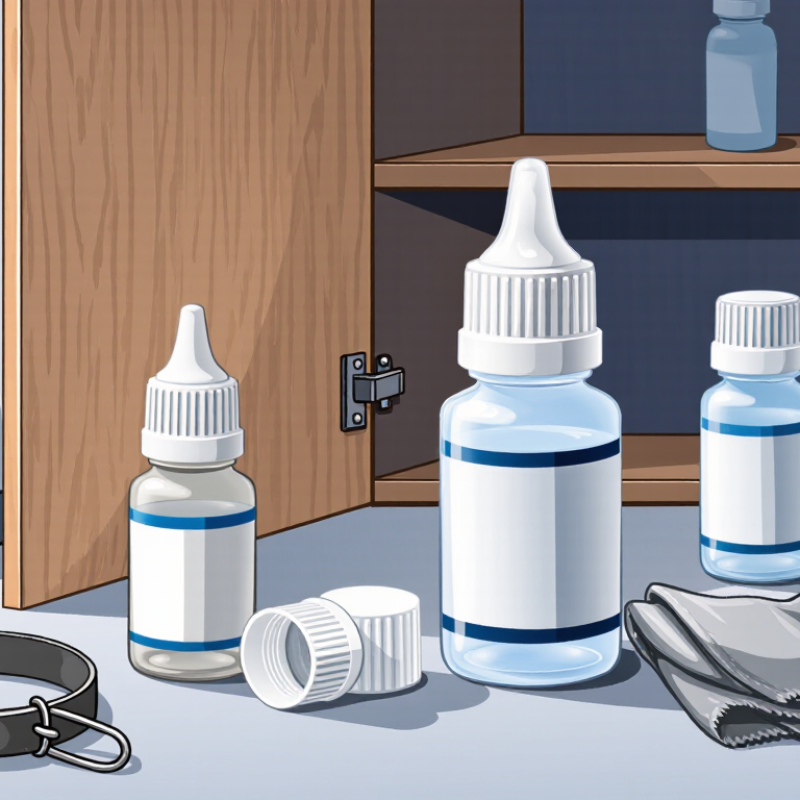
Vape juice shelf life depends on nicotine, flavorings, packaging, and storage conditions. Most manufacturers suggest using unopened liquid within 12–24 months, but the printed date should guide your decision. Heat, sunlight, oxygen, and repeated opening can accelerate oxidation. Store bottles upright in a cool, dark cupboard, ideally below normal room heat. Avoid refrigerators unless the manufacturer permits it, because condensation may enter the bottle after removal.
The U.S. Pharmacopeia explains that light, temperature, and oxygen can affect chemical stability in packaged products. This principle applies to vape liquid, although exact stability data vary by formula. A practical warning sign is a sharp chemical odor, unusual separation, leaking, or a major color change. Darkening alone does not prove danger, but guessing is poor practice. Replace the liquid when several warning signs appear together.
Safety matters beyond flavor quality. The 2023 National Youth Tobacco Survey reported 2.13 million U.S. middle and high school students currently used e-cigarettes, showing why secure storage remains essential. Keep bottles locked, sealed, and away from children and pets. Do not transfer liquid into food containers. Use clean hands and avoid touching the dropper tip. I may be overly cautious, but wasting a bottle is safer than using a questionable one. FDA consumer guidance also recommends keeping nicotine-containing liquids out of reach and sight of children.
| Safety Factor | Practical Guidance | Typical Time or Condition | Why It Matters |
|---|---|---|---|
| Unopened e-liquid | Keep the bottle sealed until needed and follow the expiration or best-before date printed on the packaging. | Often about 12–24 monthsThe actual period depends on the ingredients, packaging, and storage conditions. | Over time, nicotine, flavorings, and the liquid base may gradually change through oxidation and chemical degradation. |
| Opened e-liquid | Close the cap immediately after each use and avoid repeatedly opening the bottle unnecessarily. | Use as soon as reasonably possibleMany users choose to finish opened liquid within several months, while checking for changes in quality. | Air exposure can accelerate oxidation, darkening, flavor changes, and loss of nicotine strength. |
| Storage temperature | Store in a cool, stable indoor location away from radiators, direct sunlight, hot cars, and other heat sources. | Cool and consistent conditionsAvoid freezing and excessive heat; do not leave e-liquid in a vehicle during hot weather. | Heat can speed up oxidation and may affect flavor, color, viscosity, and container integrity. |
| Light exposure | Keep bottles in a dark cupboard or opaque storage container, while retaining the original label. | Protect from direct light | Light, especially strong ultraviolet exposure, can contribute to nicotine oxidation and flavor deterioration. |
| Air and moisture | Keep the bottle upright, tightly capped, and away from humid areas. Do not transfer liquid into unlabelled containers. | Minimize contact with air and water | Air and moisture may alter the liquid and can increase the risk of contamination or leakage. |
| Container condition | Inspect the bottle before use. Do not use liquid from a cracked, leaking, swollen, damaged, or badly deformed container. | Replace if packaging is compromised | A damaged container may allow contamination or cause accidental skin exposure to nicotine-containing liquid. |
| Color changes | A slight gradual darkening may indicate oxidation, but a sudden or extreme change should be treated cautiously. | Do not rely on color alone | Color is only one quality indicator and cannot confirm that an e-liquid is safe or unsafe by itself. |
| Odor and flavor | Stop using the liquid if it develops an unusual smell, harsh chemical taste, unexpected separation, or an unpleasant flavor. | Discard when sensory changes are abnormal | Unexpected sensory changes can indicate degradation, contamination, or an unsuitable product condition. |
| Separation or particles | Do not use liquid containing unexplained floating particles, persistent separation, sediment, or visible contamination. | Discard rather than attempting to filter or dilute it | Filtering or mixing cannot reliably make contaminated or degraded e-liquid safe. |
| Bottle hygiene | Keep the nozzle clean, avoid touching it to surfaces, and never share a bottle or refill tip. | Clean handling every time | Good hygiene reduces the chance of introducing dirt or microorganisms into the bottle. |
| Safe nicotine handling | Wear gloves when cleaning spills, wash exposed skin promptly with soap and water, and avoid contact with eyes and mouth. | Nicotine-containing liquid requires careful handling | Nicotine can be absorbed through the skin or swallowed and may cause poisoning, especially in children and pets. |
| Child and pet protection | Store e-liquid locked and out of sight and reach of children and animals. Keep it separate from food and medicines. | Use secure, clearly labelled storage | Even a small accidental ingestion of nicotine-containing liquid can be dangerous and requires urgent medical advice. |
| Disposal | Do not pour e-liquid down sinks or drains. Follow local hazardous-waste or household chemical disposal guidance. | Dispose of expired or unwanted liquid responsibly | Nicotine and other ingredients can contaminate water systems and create risks for people, pets, and wildlife. |
| When to stop using it | Discard the e-liquid if it is past its labelled date, has been stored improperly, or shows abnormal changes in smell, appearance, or taste. | When in doubt, do not use it | There is no reliable home test that can guarantee the safety, strength, or chemical stability of old e-liquid. |
Many manufacturers suggest using it within 12–24 months. Follow the printed date when possible. Formulas differ.
Keep it upright in a cool, dark cupboard. Avoid windows, radiators, and hot vehicles. Steady room temperature is better.
Usually, no. Condensation may enter the bottle after removal. Temperature changes can also affect the liquid’s texture.
Watch for a sharp chemical odor, leaking, unusual separation, or major color changes. Several signs together deserve caution.
No. Some ingredients darken naturally. Color alone is not conclusive. A strange smell plus darkening is more concerning.
Oxygen can accelerate oxidation and change flavor. Close the cap tightly after every use. Repeated opening adds exposure.
Keep it locked, sealed, and away from children and pets. Avoid skin contact. Wash your hands after handling it.
It is better not to mix them. Old liquid may hide deterioration and reduce the newer liquid’s storage quality. I once underestimated this risk.
Learning how to make vape juice last longer safely begins with understanding its shelf life and protecting it from heat, sunlight, air, and moisture. Store e-liquid in a tightly sealed container in a cool, dark, and dry place, away from children and pets. Avoid repeated exposure to high temperatures or direct light, as these conditions can affect its flavor, color, and consistency. Keeping bottles upright and opening them only when needed can also help preserve quality.
Clean, consistent vaping habits reduce waste. Use well-maintained equipment, avoid overfilling, and seal the bottle promptly after each use. Before vaping, check for unusual odors, major color changes, separation, cloudiness, or an altered texture, as these may indicate that the liquid is no longer suitable. When the product is expired, damaged, or contaminated, do not use it. Seal it securely and dispose of it according to local household chemical or waste-handling guidance, while washing hands after handling.

 Leaf Vape