Vape device malfunctions can turn a routine session into a serious safety concern. In 2026, users face more compact devices, faster charging systems, replaceable batteries, and complex electronic controls. These improvements offer convenience, but they also create new points of failure. A warm charging port, a loose pod, or a blinking light should never be ignored.
Independent battery-safety educator Chris “Mooch” has repeatedly emphasized a basic principle: “There is no such thing as a safe battery.” That warning supports the core of How to avoid vape device malfunctions. Users should inspect battery wraps, use the manufacturer’s charger, keep connections dry, and stop using any device that becomes unusually hot. They should also follow official instructions and purchase products from legitimate, traceable sellers.
This guide will examine practical prevention steps for 2026 devices. It will cover charging habits, coil and pod maintenance, airflow blockages, liquid leaks, firmware checks, and early warning signs. A clean cotton swab around the contact points can prevent poor connections. A small storage case can protect spare batteries from metal objects. Simple actions matter.
Still, no checklist is perfect. Human mistakes happen. A device may fail without obvious warning. That uncertainty deserves honest attention. When a malfunction appears, users should disconnect the device, avoid opening sealed electronics, and contact the manufacturer or a qualified service professional. Safety must come before convenience, performance, or curiosity.
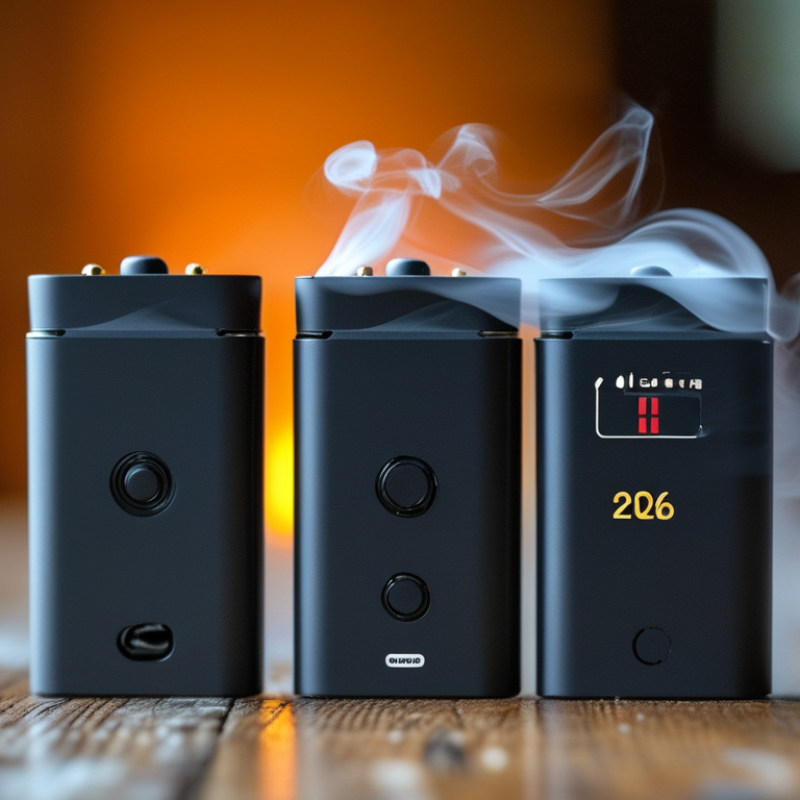
Vape device malfunctions often begin with small warning signs. A weak draw may indicate blocked airflow, condensation, or a worn heating component. Gurgling sounds usually mean excess liquid has entered the airflow path. Leaking can result from damaged seals, loose connections, or storing the device sideways. These problems may seem minor, but ignoring them can worsen performance and create safety concerns.
Battery issues require careful attention. A device that becomes unusually hot, swells, or smells strange should stop being used immediately. Never charge damaged equipment or leave it charging unattended. Use the recommended charging cable and keep the device away from water, heat, and direct sunlight. Dust around the connection can also interrupt charging, so clean it gently with a dry cloth. Avoid sharp tools, since they may damage internal parts.
Regular checks reduce avoidable failures. Inspect the mouthpiece, seals, charging port, and airflow openings before use. Replace worn components according to the instructions. Do not force a connection that feels tight or misaligned. I have seen users blame the battery when a blocked airflow caused the problem. That assumption is easy, but not always correct. When a malfunction continues, stop troubleshooting and seek qualified technical advice. Getting rid of a faulty device responsibly also matters.
Lower-resistance coils draw more power at the same battery voltage, which can increase heat generation and battery stress. The chart uses the real electrical relationship P = V² ÷ R, calculated at 4.2 V—the maximum voltage of a fully charged single-cell lithium-ion battery. Actual regulated devices may limit output, so users should follow the device manufacturer’s resistance, wattage, and battery-safety specifications.
Theoretical values shown: 0.4 Ω = 44.1 W, 0.8 Ω = 22.1 W, 1.2 Ω = 14.7 W, and 1.8 Ω = 9.8 W. Stop using a device if it shows overheating, auto-firing, damaged wiring, battery swelling, or repeated error messages.
How to Avoid Vape Device Malfunctions in 2026?
A compatible battery is the device’s first safety requirement. Check the manual for the exact battery size, chemistry, voltage, and continuous discharge rating. Never guess from appearance alone. Two cells can look identical but perform differently. Inspect the wrap for cuts, dents, or loose edges before every use. Remove damaged batteries immediately. Keep spare cells in a protective case, not loose with keys or coins.
Use the charger specified for your device and battery type. Its voltage and current must match the manufacturer’s instructions. Charge on a clear, dry surface, away from heat and fabric. Stop charging if the battery becomes unusually hot, swells, or smells strange. It sounds simple. People still overlook it. A cable that fits the port may not provide the correct electrical output, so physical connection does not prove compatibility.
Pods and replacement parts also need careful matching. Confirm the pod’s connection, seal design, coil range, and recommended liquid capacity. A loose pod can leak into the airflow path, while a poorly fitted seal may cause weak performance or repeated misfires. Replace cracked pods, worn seals, and damaged connectors rather than forcing them into place. Follow the current manual or ask a qualified repair professional when instructions conflict. Compatibility lists can contain errors, and old advice may no longer fit newer designs.
How to Avoid Vape Device Malfunctions in 2026?
Before each use, inspect the device under good lighting. Look for cracks, loose parts, damaged seals, or unusual residue around the tank and connections. Check the mouthpiece for dust or dried liquid. A blocked airflow path can make the device work harder and heat unevenly. I once treated a quick wipe as enough. It was not.
Use a dry, lint-free cloth to clean the exterior and mouthpiece. A soft cotton swab can remove residue from narrow openings, but never push debris deeper inside. Keep liquid away from charging ports, buttons, and battery compartments. Do not use metal tools or pour water into the device. Clean removable parts only as directed by the manufacturer, then let them dry completely.
Inspect the battery area carefully. Stop using the device if the battery looks swollen, cracked, unusually hot, or smells strange. Check that connections are clean and properly aligned before operating it. Loose components may cause inconsistent heating or sudden leakage. Small details matter. Still, inspection can be rushed when you are distracted, so slow down and repeat the check after cleaning. If a fault remains, follow the user manual or ask a qualified repair professional instead of forcing the device to operate.
| Inspection Area | What to Check Before Each Use | Acceptable Condition | Warning Sign | Recommended Action | Result |
|---|---|---|---|---|---|
| Device body | Look for cracks, dents, loose parts, unusual heat, or a bent connector. | The housing is intact, dry, and firmly assembled. | Visible damage, swelling, liquid inside the device, or heat when idle. | Stop using the device. Do not open or repair a damaged battery unit; follow local disposal guidance. | Use if clear |
| Battery and battery contacts | Inspect removable batteries, wraps, terminals, and contact points for damage or contamination. | Battery wraps and terminals are undamaged; contacts are clean and dry. | Torn wrapping, exposed metal, corrosion, leakage, swelling, or a loose battery. | Do not use or charge. Replace damaged batteries through an appropriate recycling or hazardous-waste channel. | Do not use |
| Pod or tank | Check the reservoir, seals, glass, mouthpiece, and connection for cracks or e-liquid leakage. | No cracks or leaks; the pod or tank is seated securely. | Cracked glass, damaged seals, persistent leaking, or liquid near electronic contacts. | Remove the pod or tank, wipe the exterior dry, and replace damaged components before use. | Correct first |
| Airflow path and mouthpiece | Confirm that the mouthpiece and airflow openings are free of lint, debris, condensation, and blockage. | Air passes normally without obstruction or liquid entering the mouth. | Restricted airflow, gurgling, spitting, or visible debris. | Turn the device off, remove the pod or tank, and clean accessible surfaces with a dry lint-free cloth or cotton swab. | Clean first |
| Electrical contacts | Inspect the device contacts and pod or tank contacts before attachment. | Contacts are clean, dry, and free from residue. | Sticky e-liquid, moisture, discoloration, or poor electrical connection. | Disconnect the power source and gently wipe the contacts dry. Never pour water or cleaning liquid into the device. | Clean first |
| Coil and heating performance | Check for a burnt taste, unusually weak vapor, sudden overheating, or repeated dry hits. | Vapor production and flavor are consistent with the device’s normal operation. | Burnt taste, persistent dry hits, rapid overheating, or an unusual smell. | Stop vaping, allow the device to cool, and replace the coil or pod when compatible with the device. | Stop and inspect |
| Controls and activation | Check that buttons are not stuck and that automatic activation does not occur without inhalation. | The device activates only as intended and controls respond normally. | Firing by itself, a stuck button, delayed shutoff, or erratic operation. | Stop using the device immediately and keep it away from flammable materials until it is safely isolated. | Do not use |
| Charging condition | Inspect the charging cable and port; charge only on a stable, non-flammable surface using the specified charging method. | Cable and port are undamaged, and the device remains at a normal temperature while charging. | Frayed cable, damaged port, excessive heat, smoke, odor, or unusual charging behavior. | Unplug safely if possible, stop charging, and do not use damaged charging equipment or the device. | Stop charging |
| Cleaning routine | Wipe the mouthpiece and exterior before use; remove visible condensation from accessible areas. | Surfaces are clean, dry, and free from e-liquid residue. | Sticky buildup, repeated condensation, or residue around the mouthpiece and contacts. | Use a dry lint-free cloth or cotton swab. Keep liquid away from electronic components and never immerse the device. | Ready if dry |
| Storage and transport | Make sure the device is protected from extreme heat, water, direct sunlight, and contact with metal objects. | The device is stored dry and separately from keys, coins, and other conductive items. | Device left in a hot vehicle, exposed to moisture, or carried loose with metal objects. | Move it to a cool, dry location and use a protective case where appropriate. Keep batteries separated from metal objects. | Store safely |
Safe operation begins with a quick inspection. Check the device, connector, and charging cable for cracks, looseness, moisture, or unusual heat. Never use a damaged battery. Keep air openings clear, and follow the manufacturer’s charging instructions. Do not mix batteries, chargers, or parts that were not designed to work together. A charger can look harmless. It is not harmless when covered by clothing or bedding. The U.S. Fire Administration recorded 195 electronic-cigarette fire and explosion incidents between 2009 and 2016, involving 133 acute injuries. Its report linked many events to battery failures during charging or use.
Charge the device on a stable, nonflammable surface, away from sunlight, water, and children. Avoid charging overnight or leaving it unattended. Stop immediately if the device swells, smells unusual, leaks, or becomes hot. Heat matters. Do not keep it in a parked car, where temperatures can rise rapidly. Store it partly charged in a cool, dry place, with the battery protected from keys, coins, and other metal objects. Guidance from UL Research Institutes identifies physical damage, overcharging, and high temperatures as important contributors to lithium-ion battery thermal runaway. Even careful users forget one detail. That is where routines fail. I still think “it will probably be fine” is the most dangerous charging habit. Replace convenience with a short inspection, and do not improvise when a device behaves differently.
A faulty vape device often gives small warnings before failing completely. Stop using it if the battery becomes unusually hot, swollen, cracked, or dented. A burnt smell, leaking liquid, or repeated auto-firing also requires immediate attention. Do not ignore strange sounds. They may indicate an internal electrical problem.
Check the device before each use. Look for loose parts, damaged charging ports, corrosion, or sudden changes in vapor production.
Charging should happen on a stable, non-flammable surface, away from beds and direct sunlight. Use only compatible charging equipment recommended by the device instructions. Never leave a charging device unattended or attempt to open its battery compartment.
Replacing a questionable device is safer than trying to repair it without technical training. I used to think minor damage could wait, but heat and swelling can worsen quickly. That assumption was careless.
Stop using the device, keep it away from metal objects, and follow local battery-recycling guidance. A qualified service professional can assess reusable components safely. If a replacement behaves unusually from the first use, return it promptly through the seller’s approved support channel. Keep receipts and note the device’s symptoms. Small details can help identify repeated safety issues.
: Blocked airflow, condensation, or a worn heating component may reduce airflow. Check the openings and mouthpiece gently. Do not use sharp tools.
Excess liquid may have entered the airflow path. Stop using the device and inspect for leakage or loose seals.
Damaged seals, loose connections, or sideways storage can cause leakage. Keep the device upright and replace worn components.
Stop using the device if it becomes hot, swollen, cracked, dented, or unusually smelly. Do not charge it.Safety comes first.
Use compatible charging equipment recommended in the instructions. Charge on a stable, non-flammable surface. Never leave it unattended.
Yes. Dust around the connection can interrupt charging. Clean it gently with a dry cloth, without forcing the port.
No. Opening the battery compartment can create additional risks. Replacing a questionable device is usually safer than untrained repair.
Stop troubleshooting and seek qualified technical advice. Keep receipts and record symptoms, such as heat, leakage, or repeated auto-firing.
Keep it away from water, heat, and metal objects. Follow local battery-recycling guidance for responsible disposal.
How to avoid vape device malfunctions starts with understanding their common causes, including worn batteries, incompatible chargers, damaged pods, loose connections, blocked airflow, and poor maintenance. Before each use, inspect the device for cracks, leaks, corrosion, unusual odors, or overheating. Clean the applicable parts carefully and replace any component that appears damaged or no longer fits securely. Always use compatible batteries, charging equipment, pods, and replacement parts, and follow the device’s instructions rather than mixing components with different specifications.
Safe operation, charging, and storage are equally important. Do not use a device while it is damaged, excessively hot, leaking, or behaving unusually. Charge it on a stable, nonflammable surface, keep it away from extreme temperatures and moisture, and avoid leaving it unattended while charging. Store the device and batteries safely, away from metal objects and children. Recognizing warning signs early and replacing faulty devices promptly can reduce the risk of overheating, leakage, electrical failure, and other avoidable problems.

Leaf Vape