Top 10 Tips to Fix Temperature Control Issues in Equipment?

Time:2026-05-25 Author:Henry
0%

Temperature control is crucial in equipment operation. Yet, many face challenges in maintaining optimal temperatures. Recognizing these temperature control issues early can prevent costly downtimes. This guide is designed for those who seek to understand how to troubleshoot temperature control issues effectively.

In various environments, machinery can suffer from inconsistent temperatures. This can lead to poor performance or even failure. Knowing your equipment and its specific requirements is essential. Just as important is regularly checking sensors and calibration. These practices help identify discrepancies before they escalate.

With real-time monitoring, problems can be tackled promptly. Sometimes, a simple adjustment or recalibration can resolve significant issues. However, professionals must be on the lookout for less obvious problems. Issues might stem from external factors, such as ambient conditions or improper installation. Reflecting on past experiences can lead to better solutions. Proper temperature control is not merely a technical task; it requires vigilance and an understanding mindset.
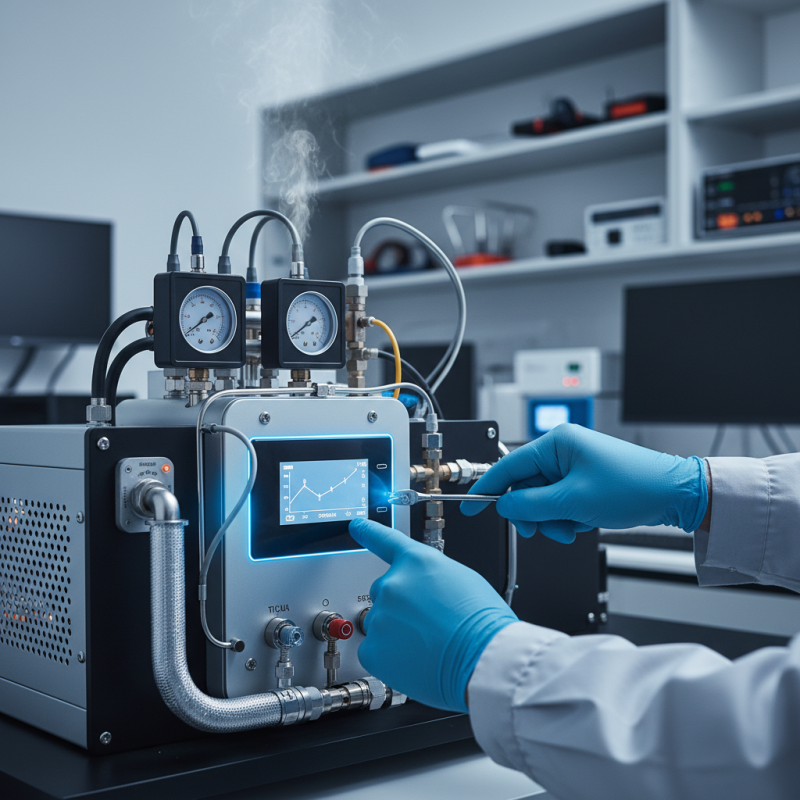
Top 10 Tips to Fix Temperature Control Issues in Equipment?

Identifying Common Temperature Control Issues in Equipment

Temperature control is a critical factor in equipment performance. Common issues can arise from incorrect calibration, external environmental factors, or equipment wear. According to a report by the International Society of Automation, 75% of industrial equipment failures are related to temperature regulation problems. Identifying these issues promptly can prevent costly downtime.

One common sign of a temperature control issue is irregular performance. Equipment might overheat or fail to reach the desired temperature. Implementing regular maintenance checks can help catch these signs early. A thorough inspection can reveal components that are worn or miscalibrated. Keeping a detailed log of temperature readings also aids in spying trends that indicate potential problems.

Another valuable tip is to invest in better insulation for heat-sensitive equipment. Poor insulation can lead to fluctuations in temperature. This is especially important in manufacturing environments where precision is key. Excessive temperature variations can affect product quality significantly. Data shows that controlling environmental conditions can improve production yield by up to 20%. Monitoring these factors is essential for maintaining equipment efficiency and ensuring operational success in the long run.

Understanding Temperature Sensors and Their Role in Regulation

Temperature sensors play a crucial role in regulating equipment performance. They monitor changes in temperature and send vital information to control systems. This feedback ensures that machinery operates within safe limits. Accurate readings help prevent overheating, which can damage equipment. A malfunctioning temperature sensor can lead to significant operational failures.

Understanding the types of temperature sensors is essential. For instance, thermocouples and RTDs (Resistance Temperature Detectors) are commonly used. Each type has distinct advantages and limitations. Choosing the right sensor depends on the application. A poorly chosen sensor may result in inaccurate readings. This can affect the outcome of processes in industries like manufacturing and food safety.

Regular maintenance of temperature control systems is necessary. Sometimes, a simple recalibration can resolve issues. Observing trends in temperature readings can reveal underlying problems. Equipment operators should be aware of these trends. They should question if sensors are functioning correctly. Tracking anomalies can spotlight areas for improvement.

Temperature Control Issues in Equipment

Regular Maintenance Practices to Ensure Accurate Temperature Control

Temperature control is crucial in many industries. Regular maintenance practices are key to ensuring that your equipment performs optimally. By following some simple tips, you can avoid common issues and enhance reliability.

One important practice is to regularly calibrate your temperature sensors. This ensures accurate readings. Improper calibration can lead to substantial errors in temperature control. Make this a routine part of your maintenance schedule. Inspecting insulation on your equipment also helps. Damaged or degraded insulation can result in heat loss and inefficient operation.

Additionally, checking and cleaning your equipment’s components enhances performance. Dust and debris can form blockages, leading to erratic temperature control. Consider using effective cleaning techniques at regular intervals. Keeping your cooling systems clear of obstructions is equally vital. Sometimes, overlooked factors like ambient temperature and air flow can also affect your equipment.

These maintenance activities can seem tedious, but they are essential for accuracy. You might not notice issues at first, but failing to address them can lead to bigger problems. Regular attention will pay off in the long run.

Implementing Advanced Control Systems for Precision Temperature Management

Precision temperature management is critical in various industries. Implementing advanced control systems can significantly enhance performance. These systems offer real-time monitoring and adjustments. They can detect minor fluctuations quickly, leading to more stable temperatures.

However, there are challenges to consider. Not all equipment is compatible with advanced control systems. Sometimes, integration can be complex. Older equipment may require upgrades or replacements. This includes adjustments to sensors and control panels. The cost and effort can be daunting.

Despite these obstacles, the benefits are evident. Accurate temperature control can lead to improved efficiency and product quality. Continuous learning and adaptation are crucial. Companies must be ready to refine their approaches. Experimentation can reveal unexpected issues. Ultimately, embracing advanced systems can yield a more reliable operation.

Top 10 Tips to Fix Temperature Control Issues in Equipment

Tip Number Tip Description Expected Outcome
1 Calibrate temperature sensors regularly Improved accuracy of temperature readings
2 Use PID control algorithms for fine-tuning Stable temperature control and reduced overshoot
3 Implement insulation improvements Lower energy consumption and less temperature fluctuation
4 Regular maintenance of heating/cooling units Increased efficiency and longevity of equipment
5 Monitor environmental conditions closely Proactive adjustments to maintain optimal conditions
6 Utilize data logging for temperature trends Informed decision-making based on historical data
7 Integrate alarm systems for temperature deviations Immediate action on critical temperature changes
8 Choose the right control valves for applications Enhanced flow control and temperature stability
9 Train personnel on temperature control systems Reduced operator error and better system handling
10 Evaluate and upgrade technology when necessary Improved reliability and efficiency of temperature management

Training Personnel on Best Practices for Equipment Temperature Control

Temperature control in equipment is crucial for optimal performance. Employees must be well-trained to ensure they follow best practices. Continuous education helps prevent costly mistakes.

One important tip is to establish clear temperature guidelines. Clear protocols help employees understand acceptable ranges. Regular training sessions reinforce these standards. Employees should learn to recognize any anomalies in temperature readings. Familiarity with equipment can enhance responsiveness to issues.

Another helpful practice is to document temperature checks diligently. Frequent logging allows for pattern recognition and trend analysis. This tracking can highlight areas needing improvement. Training should include data analysis techniques. Teams can benefit from understanding how temperature fluctuations affect equipment performance.

FAQS

: What is the role of temperature sensors?

: Temperature sensors monitor changes in temperature and send feedback to control systems to ensure safe operation of equipment.

What types of temperature sensors are commonly used?

Common types include thermocouples and Resistance Temperature Detectors (RTDs), each with unique advantages and limitations.

Why is regular maintenance important for temperature sensors?

Regular maintenance ensures accuracy, as improper calibration can lead to significant errors in temperature control.

How can one maintain temperature control systems effectively?

Regularly calibrate sensors, inspect insulation, clean components, and check cooling systems to enhance performance and accuracy.

What challenges are associated with implementing advanced control systems?

Compatibility issues, complex integration, and possible need for equipment upgrades can pose challenges when adopting advanced systems.

How can companies benefit from advanced temperature control systems?

These systems provide real-time monitoring, improve efficiency, and enhance product quality through precise temperature management.

What can happen if temperature sensors malfunction?

A malfunctioning sensor may cause significant operational failures and potentially damage the equipment due to overheating.

What should equipment operators observe regarding temperature trends?

Operators should track trends in temperature readings and question if sensors are functioning correctly to identify potential problems.

Why is cleaning equipment components necessary?

Dust and debris can block components, leading to erratic temperature control, so regular cleaning helps maintain optimal performance.

How does ambient temperature affect equipment?

Overlooked factors like ambient temperature can impact equipment efficiency, making it crucial to consider these elements in maintenance.

Conclusion

This article provides a comprehensive guide on how to troubleshoot temperature control issues in equipment, focusing on essential strategies to enhance temperature management. It begins by identifying common temperature control problems that may arise during equipment operation. Understanding the role of temperature sensors is crucial, as these devices are vital for maintaining accurate regulation.

Regular maintenance practices are highlighted to ensure that equipment functions optimally and that temperature readings remain precise. In addition, the implementation of advanced control systems can significantly improve precision in temperature management. Lastly, the article emphasizes the importance of training personnel on best practices for equipment temperature control, ensuring that everyone involved is knowledgeable and equipped to manage temperature variations effectively. By following these tips, individuals can enhance their capacity to troubleshoot and resolve temperature control issues efficiently.

Henry

Henry

Henry is a dedicated marketing professional with a profound expertise in the company's offerings. With years of experience in the industry, he possesses an impressive understanding of the market dynamics and consumer behaviors that drive success. Henry is committed to sharing his insights through......