When exploring the world of vaping, the question often arises: "Why do some vapes produce bigger clouds?" The answer lies in several key factors, from the device's design to the choice of e-liquid. A study by the vaping industry revealed that devices with sub-ohm setups can create larger vapor production due to lower resistance coils. These products vaporize more liquid at once, generating thick clouds.
The e-liquid also plays a crucial role. Higher vegetable glycerin (VG) ratios lead to denser vapor, enhancing cloud size. Industry reports show that many users prefer e-liquids with 70% VG or more for this reason. It's essential to select devices and e-liquids that align with personal preferences and intended use. However, not all cloud-producing vapes are suitable for everyone. Some may find that larger clouds require more technical knowledge or can lead to a harsher throat hit, making them less enjoyable.
Understanding the balance between cloud size and personal experience is vital. Users must also reflect on their preferences and the importance of flavor versus cloud production. There’s no one-size-fits-all method, and making informed choices can significantly enhance the vaping experience.
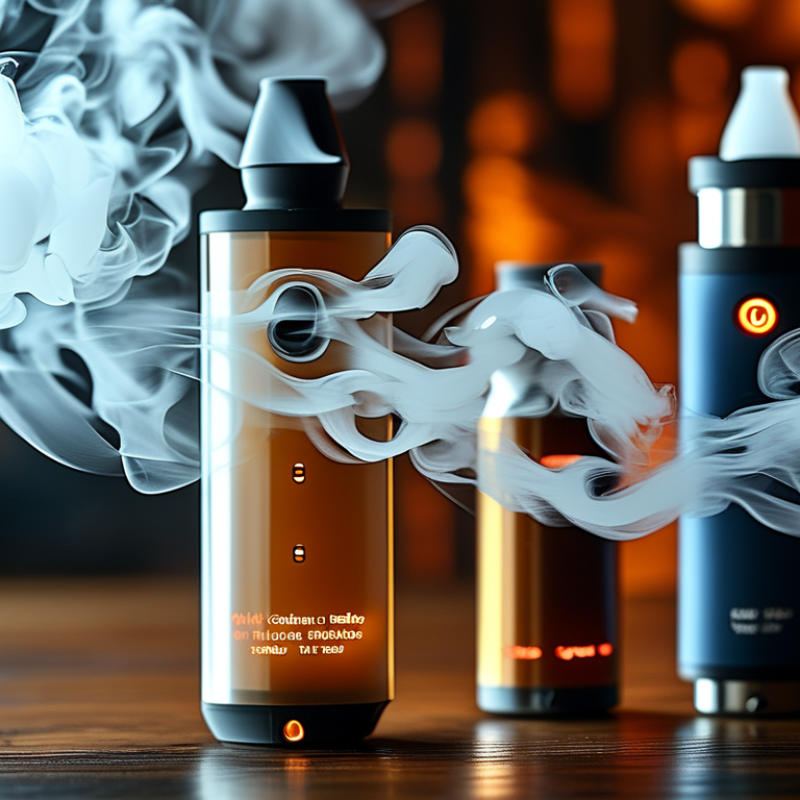
When exploring vape cloud production, understanding the fundamentals is essential. The key factors affecting cloud size are device type, wattage, and e-liquid viscosity. Larger devices, like sub-ohm tanks, usually produce denser clouds. They can vaporize more liquid at once. This leads to bigger clouds with more flavor. The right e-liquid can also contribute significantly. Higher VG content typically results in thicker vapor. However, balance is vital. Excessively thick e-liquids can clog devices or hinder wicking.
Wattage plays a crucial role as well. Higher wattages heat the coils more quickly, resulting in larger vapor clouds. Experimenting with different wattage settings can bring surprising results. Yet, pushing too high can burn the coils and lead to an unpleasant taste. This kind of trial and error can help users find their ideal balance for cloud production. It's worthwhile to note that achieving bigger clouds often requires a bit of planning and adjustments. Users should be aware that not every approach works for everyone.
Understanding airflow is another important aspect. More airflow generally increases cloud size. Adjusting airflow settings allows for personalized vaping experiences. However, excessive airflow can reduce flavor intensity. Finding the right airflow settings is often a process of personal discovery. It is essential to consider that each factor interacts with others. This complexity can lead to mistakes, highlighting the importance of patience in mastering vape cloud production.
When selecting a vape for producing larger clouds, understanding the key components is essential. The atomizer plays a crucial role. It heats the e-liquid and creates vapor. Typically, lower resistance coils generate more vapor. They allow more power, leading to increased heat and consequently larger clouds. Research indicates that sub-ohm vaping can create vapor production rates of over 10 milliliters per minute, significantly enhancing cloud size.
Another important aspect is the e-liquid itself. High vegetable glycerin (VG) content in e-liquids contributes to thicker, denser clouds. VG is known for its viscous properties. Studies show that e-liquids with a 70/30 VG to propylene glycol (PG) ratio are most effective for cloud chasers. The higher the VG, the smoother the throat hit, allowing for larger inhales without discomfort.
Battery power also impacts cloud production. A powerful battery can facilitate higher wattages, resulting in more vapor. Many vapers recommend devices that support at least 100 watts for optimum cloud sizes. However, safety must be prioritized. Using batteries within their limits is essential. Overloading can lead to malfunctions. Achieving bigger clouds requires balance and understanding of each component's role in the device.
| Component | Description | Recommended Specification |
|---|---|---|
| Atomizer | The component that vaporizes the e-liquid. | Sub-ohm tanks with larger coils. |
| Battery | Provides power to the atomizer. | High-capacity batteries (at least 2000mAh). |
| VG/PG Ratio | The ratio of vegetable glycerin to propylene glycol in e-liquid. | Higher VG (70/30 or 80/20). |
| Coil Resistance | Resistance of the coil affects vapor output. | Sub-ohm (0.1 - 0.5 ohms). |
| Airflow | Controls the amount of air entering the atomizer. | Adjustable wide airflow openings. |
Choosing the right e-liquid is essential for those looking to produce dense vapor clouds. The VG (vegetable glycerin) to PG (propylene glycol) ratio plays a crucial role here. E-liquids with a higher VG content typically create thicker clouds. A VG concentration of 70% or more is often recommended for achieving maximum vapor density. Data from vaping studies indicate that e-liquids with these ratios can produce 20-30% more vapor compared to their lower VG counterparts.
Another important factor is the nicotine level in the e-liquid. Higher nicotine concentrations can impact your throat hit and overall experience. However, lower nicotine levels tend to allow for deeper puffs without harshness. Balancing your VG/PG ratio with nicotine level can be a nuanced process. Many vapers find their ideal mix after trying several options.
Flavors also impact vapor production. Some additives can thin the liquid, while others enhance thickness. Certain fruity flavors may produce less vapor compared to dessert or cream-based profiles. Reports show that flavor intensity can lead to variations in cloud production. Experimentation is key in finding the e-liquid that works for you. Understanding the science behind your choices can elevate your vaping experience.
When it comes to vaping, many enthusiasts seek to enhance their experience by producing larger clouds. Increasing airflow is a key technique for achieving this goal. A well-designed airflow system allows more air to mix with the vapor. This results in thicker, denser clouds. Adjusting airflow settings can also impact flavor and the overall intensity of the vapor. It's essential to experiment with different airflow configurations to find what works best for you.
The choice of coil plays a significant role as well. Wider and lower-resistance coils create larger clouds. They have more surface area for heating the e-liquid. However, using high-wattage devices can lead to premature burnout of the coils. It's a balancing act that requires careful consideration. Keeping your coils clean will also enhance performance, allowing for optimal vapor production.
Don't forget about the importance of e-liquid viscosity. Thicker liquids can produce more vapor, but they require specific setups for optimal performance. If the mixture is too thick, it might not wick properly in certain devices. Testing different blends can help you discover the right balance. Keep in mind that cloud chasing is often an iterative process. Finding the perfect setup may take time and adjustments.
Adjusting your vape settings can greatly enhance cloud production. Start with the wattage. Higher wattage usually results in bigger clouds. Aim for a range that suits your device. For example, 30 to 100 watts may work well for many vapers. Experiment with different settings to see what gives you the best results.
Coil resistance also plays a crucial role. Lower resistance coils can generate larger clouds. Consider using sub-ohm coils. They heat up quickly and create more vapor. Ensure your device can handle the coils you choose.
Keeping your liquid in mind is essential too. A higher VG ratio in your vape juice typically produces thicker vapor. Look for e-liquids with at least 70% VG.
Other factors matter as well. Airflow settings can impact vapor density. Open airflow can lead to larger clouds, while restricted airflow might produce denser vapor. Adjust until you find your perfect balance. Remember, finding the right settings is a journey. Don’t hesitate to reflect on your experience and keep trying until you achieve the desired results.
: A VG content of 70% or more is recommended for dense vapor.
Higher nicotine can increase throat hit, while lower levels allow for smoother puffs.
Yes, certain flavors can affect thickness. Dessert flavors often yield more vapor than fruity ones.
Experiment with airflow configurations. Open airflow generally creates larger clouds, while restricted airflow can enhance density.
Wider and lower-resistance coils are ideal. They create larger surface area for better vapor production.
Thicker liquids can produce more vapor but require compatible devices to wick properly.
A wattage range of 30 to 100 watts is typical. Adjust based on your device's capabilities and your preferences.
Keep coils clean. Regular maintenance enhances vapor production and prevents burnout.
No, it’s an iterative process. Adjust settings and reflect on your experience to improve results.
Experiment with different e-liquids and settings. It may take time to discover what works best for you.
Choosing the right vape for producing bigger clouds involves understanding several key components and settings. To explore the question, "Why do some vapes produce bigger clouds?", one must first recognize the basics of vape cloud production, which include the device's power output, coil type, and airflow design. By selecting devices that facilitate these factors, users can enhance their vaping experience.
Key elements such as the choice of e-liquid also play a vital role in achieving dense vapor clouds. Higher VG (vegetable glycerin) content in e-liquids tends to produce thicker vapor. Additionally, adjusting airflow and settings like wattage can further optimize vapor production. Techniques like ample airflow and the right temperature can lead to increased cloud density, ensuring that vapers achieve the cloud sizes they desire. Ultimately, understanding these elements is crucial for those looking to produce impressive vapor clouds.
Leaf Vape