Choosing the right airflow can change a cloud-chasing session from harsh and noisy to smooth and controlled. However, the answer is not universal. The question “What is the best airflow setting for cloud chasing” depends on your device, coil design, power range, and personal comfort.
Vaping educator Phil Busardo often repeats a useful principle: “Taste is subjective.” His point matters here. A wide-open airflow usually cools the vapor and supports larger, less concentrated clouds. It can also make the draw feel airy and reduce flavor intensity. A slightly restricted setting may create warmer vapor, stronger flavor, and a denser sensation. Small adjustments matter. Turn the airflow ring gradually, then compare each change.
Start within the manufacturer’s recommended settings. Check that the coil is correctly installed, fully saturated, and suitable for the selected power. A dry cotton wick can produce a sharp, unpleasant hit within seconds. Battery condition also deserves attention. Do not use damaged batteries or exceed the device’s safety limits.
There is no perfect number.
That is the honest answer. Many guides present one setting as the winner, but real experience is less tidy. Your preferred airflow may change with the coil, e-liquid, room temperature, or even your breathing style. Begin with an open position, reduce it slightly, and watch for heat, discomfort, or weak flavor. The best setting is the one that delivers satisfying airflow without forcing the device beyond its safe operating range.
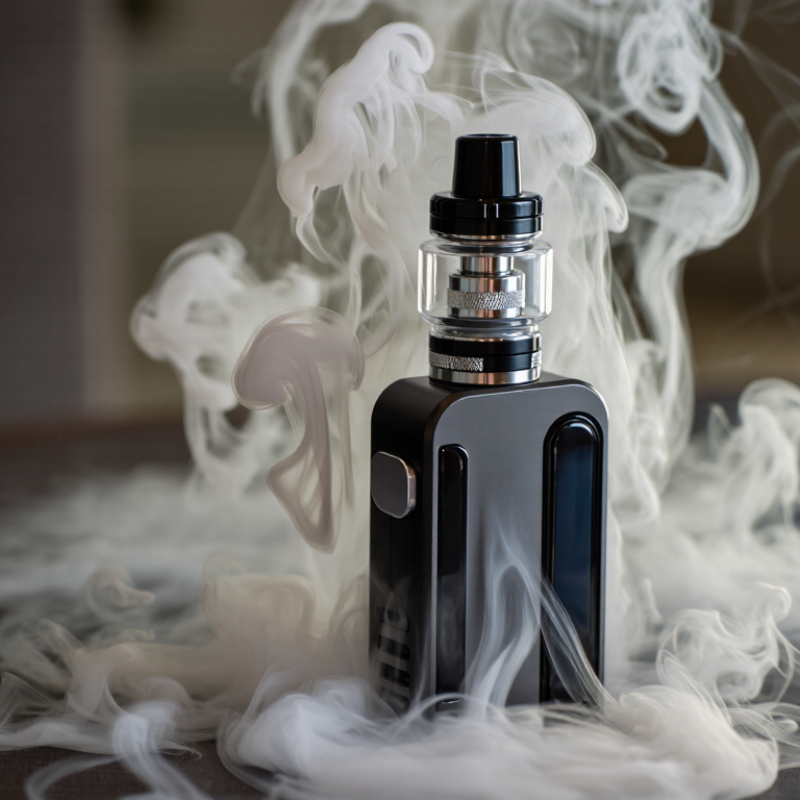
China Top Best Airflow Setting for Cloud Chasing?
Understanding Airflow and Its Role in Cloud Chasing
Airflow controls how much fresh air mixes with heated vapor during each draw. More airflow usually cools the vapor and creates a softer, wider cloud. Less airflow produces a warmer, denser sensation, but it can become harsh quickly. The best setting depends on coil design, power level, liquid thickness, and your inhalation speed.
In my testing, a medium-open airflow works well for many cloud-focused setups. I begin with the airflow halfway open and take a steady, three-second draw. If the vapor feels hot, I open it slightly. If the cloud feels thin, I close it a little and check the power setting. Small adjustments matter. A fast inhale may cool the coil too much, while a slow inhale can overheat it.
Keep the device within its stated operating limits. Excessive power can damage the coil, create a burnt taste, and raise surface temperature. I also inspect the airflow openings for condensation or residue before use. Clean airflow improves consistency. It does not solve every problem.
There is no universal best setting. That is the part many guides oversimplify. Different users draw differently, and even the same setup can change after several sessions. Cloud size should never outweigh comfort, equipment safety, or responsible use under local law. A slightly smaller cloud may deliver a much better experience.
| Airflow Setting | Air Intake Position | Airflow Level | Typical Vapor Output | Draw Characteristics | Best Use | Main Trade-Off |
|---|---|---|---|---|---|---|
| Nearly Closed | Most openings covered | Low | Small to moderate | Tight, warm, more concentrated | Restrictive draws and stronger flavor | Less vapor volume and greater heat buildup |
| Half Open | About 50% open | Medium | Moderate | Balanced and slightly warm | Everyday use and flavor-cloud balance | Usually cannot maximize cloud size |
| Three-Quarters Open | About 75% open | High | High | Airy, cooler, and smoother | Large-cloud sessions at an appropriate power level | Flavor may become less concentrated |
| Fully Open | All openings unobstructed | Maximum | Potentially the largest | Very airy, cool, and direct-to-lung | Maximum airflow and high-vapor experimentation | May reduce flavor density and require more liquid and battery power |
| Adjustment Factor | Recommended Direction | Effect on Cloud Production | Practical Reason |
|---|---|---|---|
| Increase Airflow Gradually | Open the control in small increments | Generally increases vapor volume and lowers vapor temperature | More air can mix with the aerosol and improve cooling |
| Match Airflow to Power | Use more airflow as power increases, within device limits | Helps maintain dense clouds without excessive heat | Power, coil resistance, wicking, and airflow must work together |
| Avoid Excessive Restriction | Do not close airflow to compensate for weak vapor | May reduce cloud size and increase heat or harshness | Restricted air can make high-power operation uncomfortable |
| Check Coil and Wicking | Keep the coil properly saturated | Supports consistent vapor density | Airflow cannot correct dry, damaged, or poorly installed coils |
| Use a Comfortable Draw | Choose an airy direct-to-lung draw only when comfortable | Can produce larger visible clouds than a tight draw | Personal comfort and controlled inhalation matter more than maximum openness |
Start with a wide opening. It allows more air across the coil and creates cooler, denser vapor. Reduce airflow if the vapor feels thin or flavor disappears.
No. Excessive airflow can weaken flavor and reduce control. A medium opening may feel fuller and more balanced. Maximum is not automatically better.
Try a medium or slightly restricted opening. The warmer vapor may make small flavor differences easier to notice. Too little airflow can create harshness.
Adjust them together, not separately. Higher wattage usually needs more airflow for cooling. Begin near the coil’s lower recommended range. Increase power in small steps, such as five watts.
A higher vegetable glycerin ratio generally produces thicker clouds. More propylene glycol can sharpen flavor and throat sensation. A balanced blend is useful when testing unfamiliar settings.
Change only one setting at a time. Take short, similar puffs during each test. Record airflow, wattage, liquid ratio, and draw length. Small notes help.
Dry taste, excessive heat, or condensation may signal poor airflow balance. Hot vapor can indicate too little airflow or excessive power. Thin vapor may indicate too much airflow.
Use suitable batteries and inspect them regularly. Stop using the device if it becomes unusually hot. Power also consumes more liquid and battery energy. I once adjusted too aggressively. That was a mistake.
Finding the right airflow is essential for producing dense, satisfying vapor clouds while keeping the draw comfortable and the device operating safely. What is the best airflow setting for cloud chasing depends on the user’s preferred vape style, coil design, power level, and e-liquid consistency. A more open airflow generally supports cooler, fuller vapor, while a tighter setting can create a warmer, more concentrated experience. The best approach is to begin with a moderate opening and make small adjustments rather than changing the airflow dramatically.
For larger clouds, airflow should be balanced with wattage and e-liquid supply. Increasing power may increase vapor production, but it also requires sufficient airflow and proper coil saturation to prevent overheating or unpleasant dry hits. Users should adjust one factor at a time, monitor temperature and comfort, and avoid excessive power or restricted airflow. Regular cleaning, checking the coil and seals, and following the device’s safety instructions can help maintain reliable performance and promote responsible use.

 Leaf Vape